Ground beef vs. ground bison: How do they compare?
When you see a bison or even buffalo burger on a restaurant menu, it's hard not to expect something big, hearty, and fatty. After all, bison, often mistakenly called buffalo in the United States, are the largest mammals in North America, standing up to 6 feet tall and weighing up to 2,000 pounds (in the case of males). In reality, ground bison is leaner, has a sweeter flavor, and contains more nutrients than most ground beef.
When you see a bison or even buffalo burger on a restaurant menu, it's hard not to expect something big, hearty, and fatty. After all, bison, often mistakenly called buffalo in the United States, are the largest mammals in North America, standing up to 6 feet tall and weighing up to 2,000 pounds (in the case of males). In reality, ground bison is leaner, has a sweeter flavor, and contains more nutrients than most ground beef.
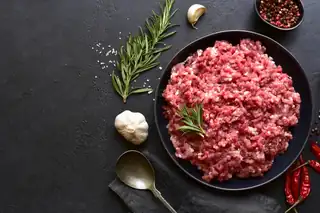
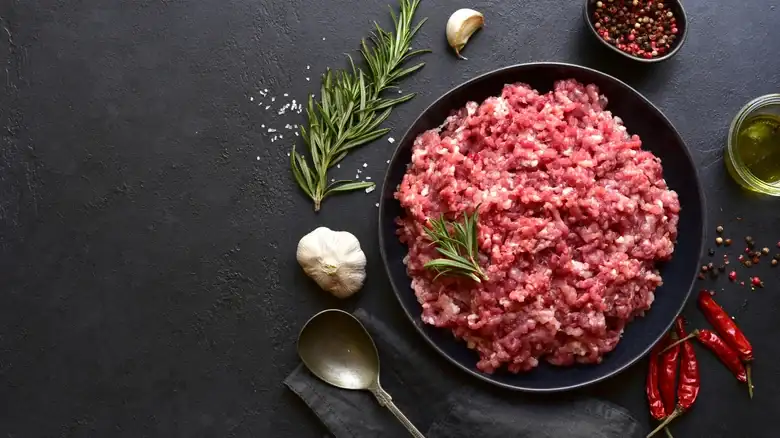
The differences between ground beef and bison are readily apparent when examining the raw meat. Bison typically has a deeper red color because it lacks the same level of fat marbling as beef. While there is a general consensus that bison has less total and saturated fat than beef, the exact difference is difficult to pinpoint, as fat content depends on the animals' diet and processing. The USDA's Agricultural Research Service (ARS) indicates that 100 grams of lean raw bison contains only 109 calories and 1.8 grams of fat, compared to 291 calories and 24 grams of fat in lean Choice-grade beef. Bison also contains more iron than beef.
Bison can be used in almost any beef recipe.
Bison ground meat is an excellent alternative to ground beef and can be used interchangeably in recipes. If you're making burgers, you can use the same 13 unexpected seasonings you would with beef, but you can also use it in stews, stuffed vegetables, meatballs, or any other recipe where you would use ground beef.
Because bison meat is leaner, it lends itself better to slow, moist cooking methods such as braising, slow cooking, and casseroles. It also cooks faster than beef, so you'll need to cook it at a lower temperature (up to 50 degrees Fahrenheit lower) and lower the oven rack. Ground bison should be cooked to an internal temperature of 160 degrees Fahrenheit. To complement the slightly sweet and sometimes pungent flavor of bison meat, you can use garlic, rosemary, thyme, and other strong seasonings. Also, let the bison meat rest after cooking to retain its juices.
Bison ground beef is certainly more expensive than beef, sometimes more than twice as much. However, comparisons are difficult, as it largely depends on the cut of meat you buy. Perhaps it's worth including bison in your meat recipes occasionally. If you're already debating between using cheddar or American cheese on your burgers, you might soon find yourself debating between bison and beef.