Sauce vs. marinade: What's the difference?
A liquid component adds depth to food, which is why you'll almost always see fine dining restaurants serving meat and vegetables with some kind of purée, chimichurri, or sauce.
A liquid component adds depth to food, which is why you'll almost always see fine dining restaurants serving meat and vegetables with some kind of purée, chimichurri, or sauce. There's a reason Gordon Ramsay got stressed trying to find the right lamb sauce in an episode of Fox's "Hell's Kitchen": a good liquid brings a dish together. It prevents food from drying out and infuses flavor. As a fundamental part of cooking, chefs must master sauces and marinades. It all starts with knowing the difference between them.
The line between the ingredients of a marinade and a sauce is blurry, so it's best to define them according to their function. A marinade is a liquid that coats meat, fruit, or vegetables before cooking, while a sauce is a liquid or semi-liquid that is added to food during or after cooking. A sauce can be simmered with the food, served alongside it, or poured over it.
To understand the difference between these components, it's helpful to know what actually happens when you marinate food. A marinade uses oil, seasonings, and an acidic ingredient like lemon or vinegar to tenderize food and infuse it with flavor before cooking. The oil evenly infuses the dish with flavor and helps it brown, while the acidity tenderizes it.
Are marinades and sauces interchangeable?
Marinades are typically used before cooking food, while sauces are used during or after cooking; however, this doesn't mean some marinades aren't interchangeable. You can use a marinade as a sauce, but if it has been in contact with raw meat, it must be boiled to kill bacteria before consumption. For example, a red wine marinade for steak can be turned into a delicious reduced sauce by simmering it with the meat juices and butter. Marinara sauce or Worcestershire sauce can also be used as marinades, as they contain an acid (tomato juice and vinegar, respectively). Thin them with oil or vinegar to lighten the consistency and give your baked chicken a tangy kick.
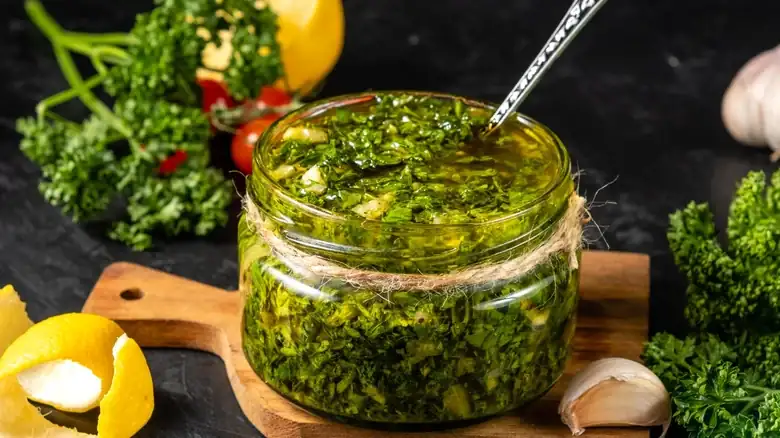
Various sauces and marinades complement each other. Chimichurri can be brushed onto a raw steak or served as a side dish. Teriyaki sauce (made with just two ingredients) is an excellent choice as a sauce or marinade, as it can be applied at any point during cooking. Similarly, you can brush a pork shoulder with homemade smoky barbecue sauce before grilling or use it as a condiment for a pulled pork sandwich. The world of possibilities when preparing marinades and sauces is vast; the key is to ensure they enhance the flavor of the dish.