Thai curry versus Indian curry: the fundamental differences
Thai curries are based on coconut milk and aromatic pastes, while Indian curries start with onion, ginger, and garlic in hot fat and a mixture of spices.
Curries are bursting with intense flavors and aromatic spices, and can be made with chicken, tofu, or in vegetarian or vegan versions. The term "curry" comes from the Tamil word kahri, which refers to a sauce eaten with rice. Although they are associated with Southeast Asia, the Indian and Thai varieties have their own distinct characteristics.
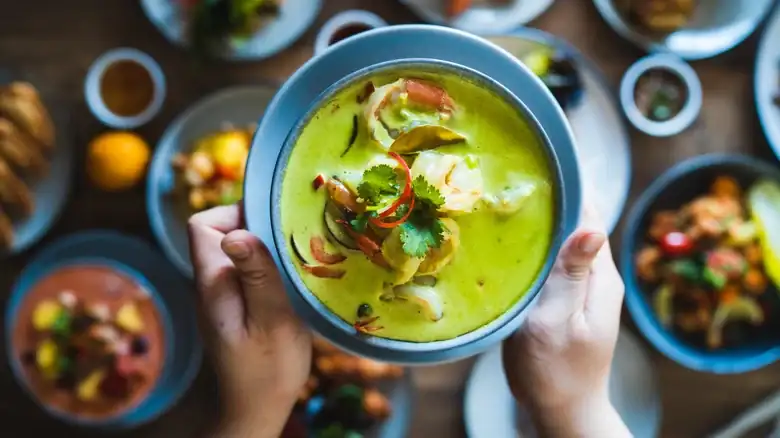
The main difference lies in the ingredients. Thai curries are typically based on coconut milk, or silken tofu as a dairy-free alternative, and a curry paste: a blend of dried spices and fresh ingredients such as shrimp paste, lime juice, garlic, chilies, lemongrass, Thai basil, kaffir lime leaves, and galangal. There are three main pastes, red, yellow, and green, derived from their ingredients. The red paste uses various dried red chilies, the yellow paste gets its golden hue from turmeric, and the green paste has a fresh appearance thanks to kaffir lime leaves or Thai basil.
Coconut milk adds a creamy and refreshing texture, very useful if the paste is very spicy, and fresh herbs provide a vibrant aroma. Thai curries often include tofu or seafood along with vegetables such as peppers or bamboo shoots.
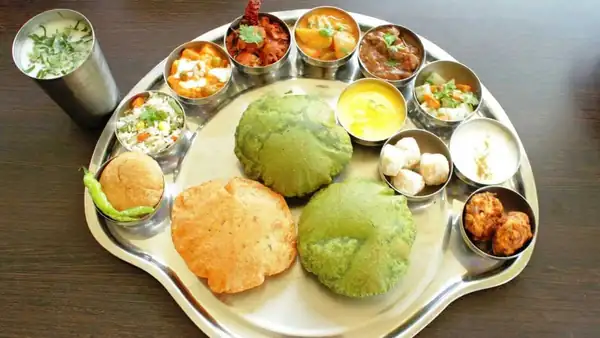
Indian curries typically begin with onion, ginger, and garlic sautéed in hot oil or ghee, a clarified butter that can be made at home. A blend of key spices is then added: cumin, mustard seeds, garam masala, coriander, cinnamon, and turmeric. The base is usually tomato, sometimes with yogurt for creaminess. While seafood or tofu can be included, chicken, lamb, and goat are the most common choices. Lentils, chickpeas, and paneer (an Indian cheese) are also popular options, along with vegetables such as okra and potatoes. Curry leaves, with their intense, lemongrass-like flavor, are frequently used.
The consistency also differs. Indian curries are typically thick, like a stew, because their vegetables are chopped more finely and simmered for a longer time. Thai curries are more brothy, as they are prepared quickly with larger pieces of vegetables. Both offer complex flavors and a satisfying meal.