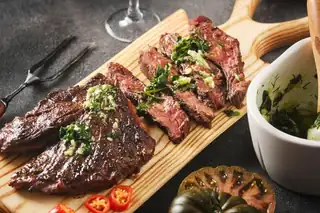
Filete de entraña y filete de falda: en qué se diferencian
Los filetes de entraña y de falda salen de la parte inferior del abdomen de la res, y ambos exigen una preparación cuidadosa para quedar tiernos.
A single cow has over 200 muscles, resulting in nearly 290 kilograms of edible meat. While most people are familiar with cuts like filet mignon or New York strip, there are other, less popular cuts that can be delicious when prepared properly. Skirt steak and flank steak are among these and have long been considered less desirable.
Both cuts come from the lower abdomen of the cow. They are leaner than ribeye or porterhouse cuts, known for their high fat content, but because this area is rarely exercised, they retain a reasonable amount of fat that gives them an intense flavor. This same area contains a lot of connective tissue, so a mistake during cooking can result in tough, chewy meat.
It's best not to discard them at the butcher shop, because if they're cut, seasoned, and cooked properly, they're tender and flavorful. The flank steak is often the preferred cut for fajitas in restaurants. The diaphragm, or skirt steak, has earned the nickname "butcher's steak" because it was the cut that butchers themselves reserved for themselves.
The skirt steak is a rare cut, as each animal only has one. It hangs from the cow's diaphragm, hence its name. It's flat, weighs around half a kilo, and is V-shaped. A strong tendon runs through the center, so it's best to remove it, separating it into two steaks, or ask the butcher to do it. Marinating it for up to 24 hours improves its tenderness, texture, and flavor.
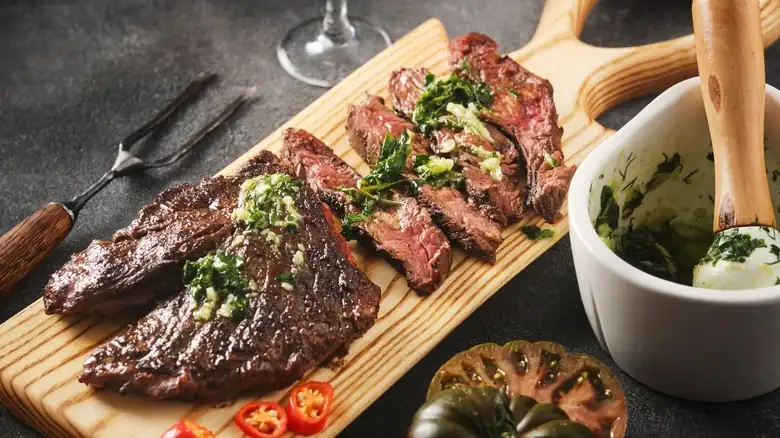
To prevent it from becoming tough, the skirt steak is cooked over high heat quickly until it's rare. A brief sear in a pan or on the grill yields the best results. After letting it rest for a few minutes, it's best to slice it against the grain for maximum tenderness.
The flank steak is long, flat, and thin, approximately 1.25 cm thick. Each cow has four flanks: two inner and two outer. The inner flank is more tender, although both have a rich, meaty flavor. Its texture is coarser than that of the diaphragm, with very visible fibers, and some pieces can measure up to 60 cm.
Skirt steak takes well to strong marinades, and the longer it marinates, the better. Like flank steak, it cooks quickly over high heat, developing a golden crust and a pink interior. It's best to slice it thinly against the grain. It's very popular in Latin American cuisine for fajitas and tacos, and it also works well in Asian stir-fries and noodle dishes.
The skirt steak is a little more expensive than the flank steak, because there is only one per animal, but both are tasty and affordable cuts.







