Qué significa realmente sazonar según se avanza en la cocción
Sazonar a lo largo de todo el proceso es una técnica sencilla que mejora el sabor, la textura y la cocción de los platos.
Cooking demands attention to detail. In addition to controlling the heat, cooking time, and combination of ingredients, seasoning is a crucial nuance. Cooks taste and adjust flavors throughout the process to ensure each component is perfectly balanced.
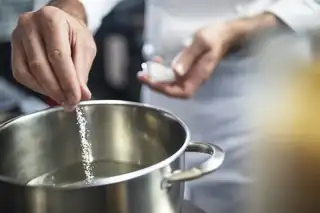
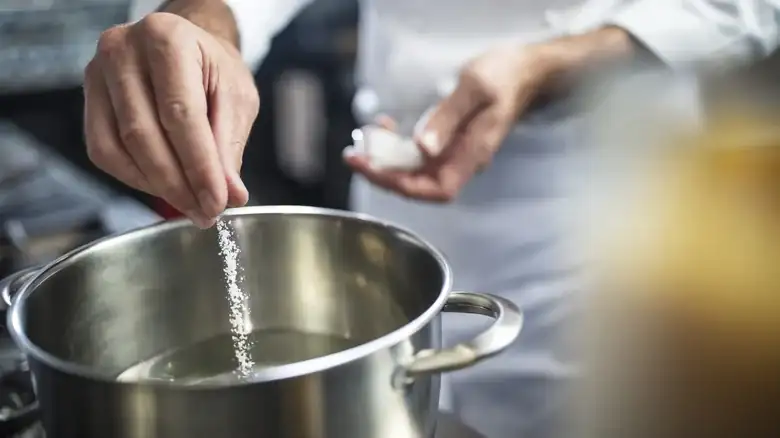
This practice is informally known as "seasoning as you go," and it has concrete effects. Sprinkling salt little by little requires little effort but yields a lot: adding salt to cooked beans helps achieve a more uniform texture, and seasoning the pasta water prevents it from sticking together.
Salting ingredients while they heat them concentrates the flavors because it draws some moisture out of meats and vegetables. These are complex chemical processes that can be summed up in one simple idea: it's best to season at each stage.
Seasoning during cooking doesn't just refer to salt. Herbs and spices are also considered seasonings, so any dry ingredient that adds flavor falls under this definition. When preparing chili, for example, the spices should be added at the right time, because adding them too late won't produce the desired result.
In a slow-cooked beef stew, it's also a good idea to season later, not just at the beginning. Even so, you can always adjust the level of spices and salt at the end, according to your taste.







