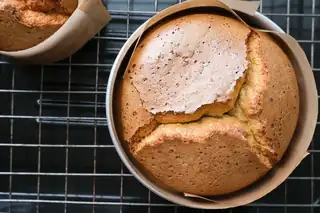
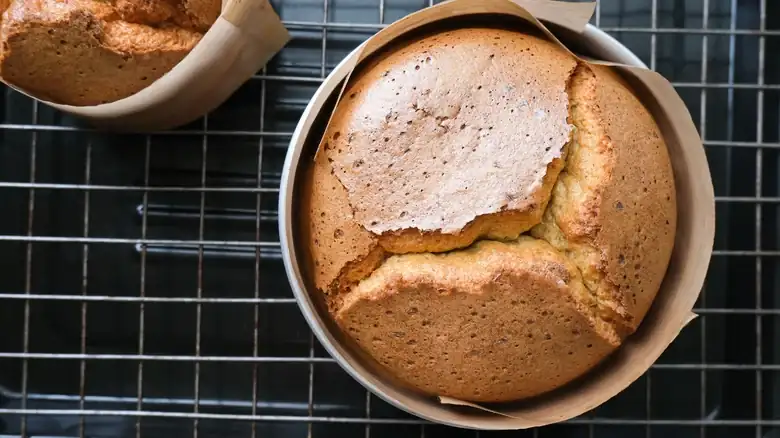
Por qué se agrietan los pasteles al hornearlos y cómo evitarlo
Cuando un pastel clásico sale del horno con grietas en la superficie, la causa suele estar en el horno, el molde o la masa.
Even if you follow the recipe exactly, a cake can crack for various reasons. Baking is a science, not an art, so it's a good idea to double-check that you've followed the measurements precisely.
The most common cause is an overheated oven. The oven may be incorrectly calibrated and running hotter than the dial indicates. A simple oven thermometer can be used to check this: if the oven is set to 350 degrees Fahrenheit and the thermometer reads 370, it's best to lower the temperature by about 20 degrees.
The recipe could also be the culprit. Ideally, use a tried and tested recipe. If you want to use a specific recipe, you can adjust the temperature through trial and error.
Another possibility is that the cake is too high up in the oven. The top racks get hotter, especially in gas ovens, and the middle rack is generally considered the best place.
The baking pan also matters. If it's too small, the dough will expand during baking and crack. It's best to follow the recipe instructions to choose the right size. If you don't have the right pan, you can place a container of water in the oven, as the steam retains moisture and reduces the risk of cracking.
Finally, too much leavening agent, such as baking powder, will cause the cake to rise too quickly, crack, and even overflow. A batter that is too thick, due to too much flour or not enough liquid, can also crack. If the recipe was followed correctly, it might be better to find one with the right proportions rather than guessing.







