
Beef tallow and lard: similar fats with very different uses
Beef tallow and lard, two animal fats that are making a comeback in kitchens, have very different flavors, textures and uses.
Many cooks still prefer vegetable oils, but animal fats are making a comeback. Beef tallow is reappearing on shopping lists for its intense flavor, especially when frying, and lard is gaining ground because bakers recognize its effectiveness in pies and pastries. Besides both being melted fats, they have different flavors, textures, and uses.
Both are obtained by rendering and clarifying fat, and have a creamy appearance, neither solid nor liquid. Beef tallow is made from cow fat, especially from the kidney area, called fat cap, and has a yellowish hue. Lard is rendered pig fat, primarily from the belly, rump, and shoulder, and is white.
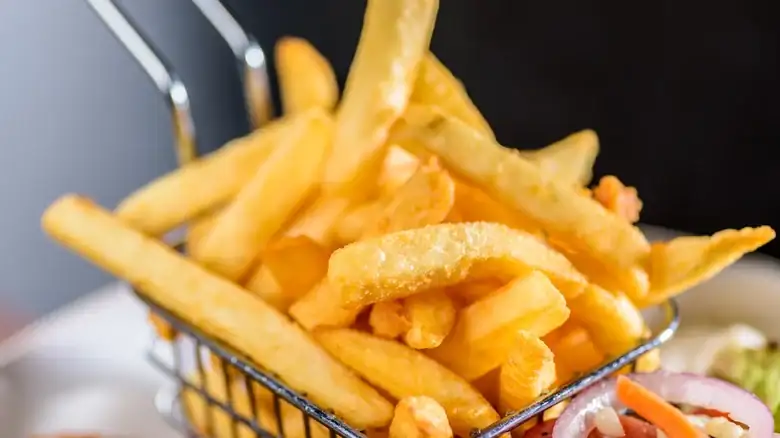
Beef tallow has a rich, meaty flavor and a high smoke point of 400 to 420 degrees Fahrenheit, making it ideal for deep-frying. It's also great for searing meat, capturing its juices in sauces, roasting potatoes, or adding flavor to vegetables. Some say it's perfect for making crispier French fries.
Lard has a neutral, slightly sweet flavor and a light, butter-like texture. It's ideal for baking because it produces flakier, more crumbly cookies and pastries: it has a higher melting point than butter and releases more air and steam when baked. Its smoke point is lower, around 188 degrees Celsius, so it's less suitable for frying.
Both can be used interchangeably in stir-fries and simple roasts, but beef tallow isn't always the best choice for baking due to its intense flavor and hard, grainy texture at room temperature. Both will keep for about six months in the pantry in an airtight container in a cool, dark place, and twice as long if refrigerated; they can also be frozen for up to a year.
If you're going to be frying or baking, it might be worth keeping some in your pantry. Although beef tallow has become trendy for skincare, dermatologists don't endorse that trend, so it's best to leave it in the kitchen.