Why baking soda and baking powder are not interchangeable
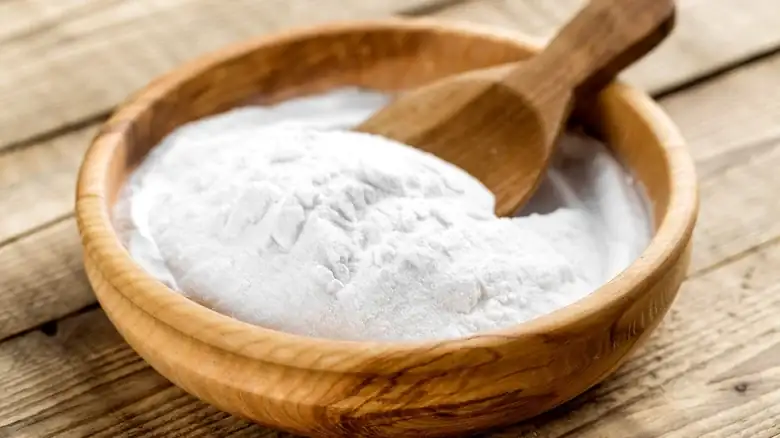
They are white, smooth, and almost identical, but one is a pure base and the other already includes an acid, so each one fulfills a different function in the dough.
Both are chemical leavening agents and look so similar that it's easy to confuse them in the pantry. They both help dough and mixtures become fluffy because, when they react with an acid, they release carbon dioxide, the gas that makes baked goods rise. This same principle allows you to check if they are still active: simply drop a spoonful into water or vinegar. If it fizzes, the product is still releasing carbon dioxide and doing its job.
Baking soda is pure sodium bicarbonate, while baking powder is sodium bicarbonate with an added acid. That acid is usually potassium bitartrate, also known as cream of tartar, and a bulking agent, such as cornstarch, is often added to extend the product's shelf life.
Baking soda is a base, so it needs an acid to react with it. Acids, with a pH below seven, are more common in cooking than you might think: citrus fruits, vinegar, buttermilk, and coffee appear in hundreds of recipes. That's why baking soda is ideal for marinating chicken or for batters with a high acid content. Baking powder, on the other hand, excels when the mixture is basic or neutral, such as cake batters, which combine eggs, milk, sugar, and vegetable oil.
Many recipes combine both to achieve a specific consistency. To convert baking soda into baking powder, mix one part baking soda with two parts an acidic ingredient, and to substitute baking powder with baking soda, use three parts baking powder to one part baking soda. Recipes specify where and when to add each ingredient for a reason, so it's best to follow them before experimenting on your own.







