Freezing sauerkraut causes it to lose its probiotic bacteria and makes it rubbery.
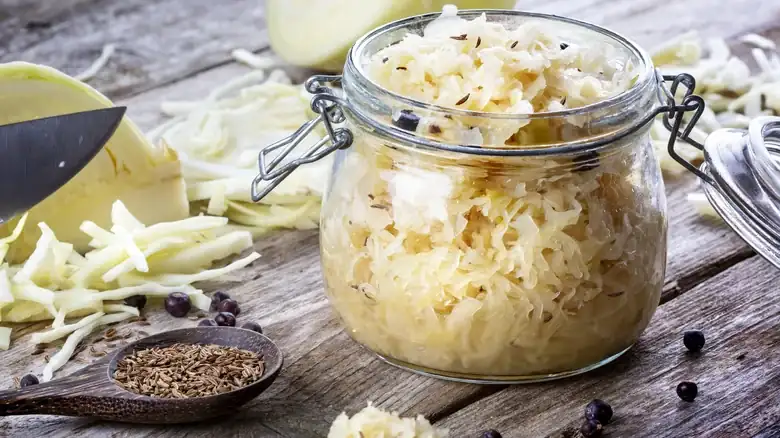
Sauerkraut, the fermented cabbage that provides a tangy flavor and probiotics, loses its bacteria when frozen and becomes rubbery when thawed.
Sauerkraut, a fermented cabbage dish believed to have originated in China, became a staple in homes across Northern and Eastern Europe. It's an excellent condiment for burgers, sandwiches, or salads, as it adds acidity and probiotics. Proper storage is essential to preserve these properties. Freezing it might seem like the easiest solution, but it's actually counterproductive.
When water freezes, it forms ice crystals that can rupture the cell walls of bacteria. This destruction leads to the loss of the beneficial probiotic bacteria that make sauerkraut a healthy option. Furthermore, when thawed, it develops a rubbery and unappealing texture, lacking the crunch that is so appreciated.
Freezing doesn't affect all foods equally. Probiotics and fermented foods lose their beneficial bacteria when frozen. It's also best to avoid freezing foods with high water content, such as lettuce, cucumber, and watermelon, which soften when thawed. Fried foods, meanwhile, lose flavor and crispness.
In contrast, freezing works very well with many fresh fruits and vegetables with low water content. Bread, which is often thrown away, is preserved without loss of quality when frozen because it stops starch retrogradation, the chemical reaction that hardens and dries it out. To defrost it, simply use an oven, an air fryer, or a microwave.