Which Legume Is Highest In Protein?
Whether you're vegetarian, vegan, or just enjoy the occasional meatless meal, ensuring you consume enough protein without eating any meat or dairy can be challenging.
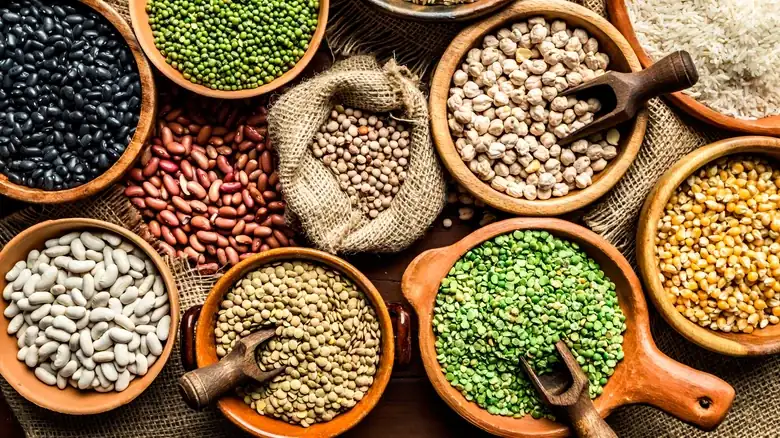
But what exactly is a legume? There are a lot of questions about this category of foods, like are legumes the same thing as beans, and which legume packs the most protein? For clarity, beans are a subtype of legume, so they are one of many plants that falls under the legume umbrella, which also includes peas, green beans, chickpeas, lentils, soybeans, and peanuts. If you're looking to utilize the legume that will provide you with the most plant-based protein, the winner by far is the soybean, a boiled cup of which contains about 31 grams of protein, per the USDA.
Of course, you may not be eating plain boiled soybeans on a regular basis. An 8-ounce cup of soy milk, for instance, provides you with 7 grams of protein. To put that into perspective, that's the same amount of protein you get from 1 ounce of chicken, beef, turkey, pork, or lamb. Meanwhile, one chicken egg has 6 grams. Eating a ½ cup of fresh or frozen edamame, which is a type of soybean, offers 8 grams of protein. Clearly, this legume rivals animal products that are known to be protein powerhouses.
Incorporating soybeans into your diet is easy
The great thing about soybeans is that they are versatile. If eating a steaming plate of boiled soybeans sounds unappealing to you, don't worry — you don't have to do that (though you totally can if you want to). Simply drinking a cup of soy milk in the morning or blending it into a smoothie starts your day off with a liquid breakfast full of protein. This is a great option for folks who don't eat eggs or dairy, but want a protein-rich option to power them through their morning. Consider always having some frozen edamame on hand for when lunchtime rolls around. It can be shelled and incorporated into a bowl of ramen for an instant upgrade, or simply warm up the pods in the microwave and pop the seeds directly into your mouth for a healthy snack.
For dinner, tofu and tempeh are both soy-based products that are filling and can be used in a variety of dishes. Tofu, which contains 17 grams of protein per 3.5-ounce serving, is coagulated soy milk and has a mild taste and absorbs other flavors well, while tempeh, which packs 15 grams of protein per 3-ounce serving, is made from fermented soybeans and has a nutty taste. There are tons of ways to make delicious baked tofu at home, but you can also pan-fry, air-fry, or grill it. Tempeh is great for grilling, too, but can also be crumbled onto salads or grain bowls, or sliced and used in sandwiches or tacos. Not only are soybean products high in plant-based protein, but they come in a variety of forms for breakfast, lunch, dinner, and snacks that you'll never tire of.