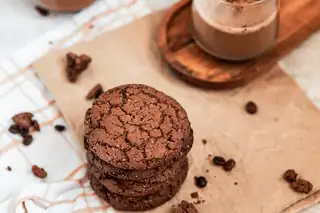
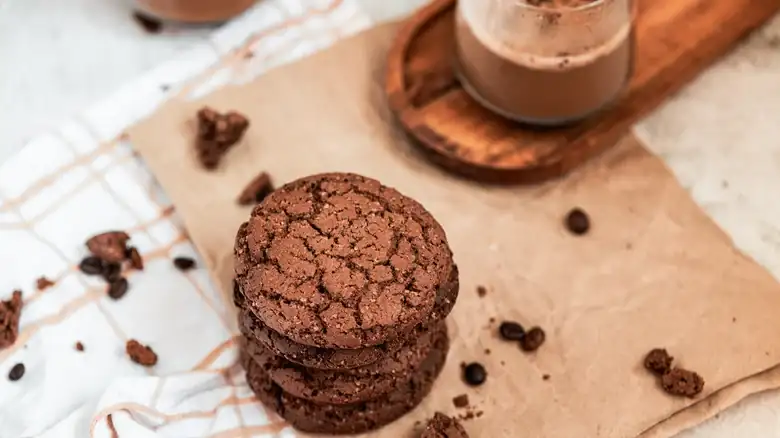
Usar harina leudante en galletas exige ajustar la receta, no basta un cambio 1:1
La harina leudante lleva sal y levadura en polvo, así que sustituir la harina común en galletas de chocolate y coco obliga a recalcular la receta.
Today, bakers have many types of flour available, from classic all-purpose flour to specialty and whole-grain blends. Among them, all-purpose flour and self-rising flour are both white and milled from wheat, but they share key differences.
The two main differences lie in the texture and the added ingredients. Both are soft and floury, but all-purpose flour is somewhat denser and heavier because it comes from a harder variety of wheat. Some self-raising flours are also bleached using chemical processes, and these tend to produce lighter, more tender cookies. That's why self-raising flour is often used as a secret ingredient for achieving softer cookies, much like buttermilk.
The most obvious difference is the salt and baking powder that self-rising flour contains. Most brands have about a teaspoon of baking powder per cup of flour. If the recipe calls for two cups of flour and two teaspoons of baking powder, simply omit the powder. If it calls for two cups and three teaspoons, only add one teaspoon, since the flour already provides two.
Since baking requires precise measurements, it's best to make these calculations in advance and write down the recipe. Too much yeast will leave a bitter taste in the cookies and ruin their texture. The salt in self-rising flour doesn't serve a chemical function; it mainly enhances flavors, so it can be omitted without measuring it precisely.
Buying self-rising flour by mistake doesn't have to be a disaster. In a batch of bakery-style peanut butter cookies, that lighter flour will make them fluffy, but for good results, the recipe needs to be modified.







