La asafétida, el condimento indio que aporta umami a la carne
Apodada «estiércol del diablo», la asafétida huele con fuerza, pero es una especia esencial de la cocina india que puede aportar un toque umami a la carne.
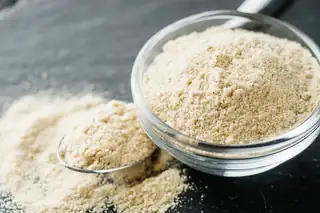
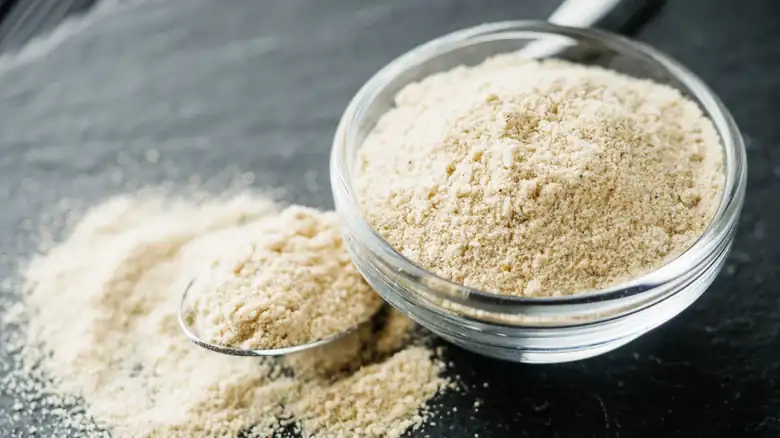
Asafoetida is a gum extracted from a wild, celery-like plant called ferula, which grows in the deserts of Afghanistan, Kazakhstan, Uzbekistan, and Iran. Once dried, the resin is ground and often mixed with wheat or rice flour to prevent clumping. Its intense aroma is reminiscent of white truffles and hard-boiled eggs.
In India, it is primarily known as hing. It is used throughout the country, but is especially common in the south, where it flavors vegetarian dishes. It also accompanies legume stews due to its medicinal properties, particularly for aiding digestion.
There are three rules for cooking with asafoetida. The first is moderation: a pinch or two is enough, especially with mild foods like fish. The second is to dissolve it in hot oil or ghee before adding it to the dish, which enhances its flavor and softens its more intense notes.
The third is to combine it with other spices so it doesn't overpower the dish. It pairs well with cumin, coriander, fennel seeds, and cardamom, key spices in Indian cuisine. Tempering the spices before using them also reduces the bitterness of asafoetida, although it may seem counterintuitive.
It can be found in stores specializing in Indian products. To prevent its smell from permeating the kitchen, it's best to store it in an airtight container and thoroughly clean any residue left in the jar or on the countertop.







