Mexican Shredded Beef
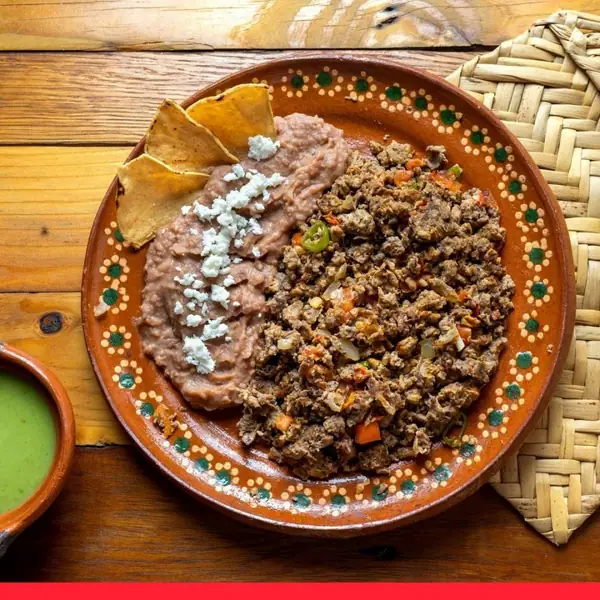
Lately, I've been simmering brisket in some homemade enchilada sauce to make big batches of Mexican Shredded Beef.
- 3 lbs. beef brisket (or chuck roast)
- 1 cup stock
- salt
- black pepper
- olive oil
- 1 lime
- 7-8 Ancho chiles
- 4-5 Roma tomatoes
- 1.5 onions
- 4 garlic cloves
- 4 cups stock (or soaking liquid)
- 2 teaspoons Mexican oregano
- 1/2 teaspoon cumin
- 1 teaspoon salt
- black pepper
- If you're making the enchilada sauce from scratch, start by wiping off any dusty crevasses on the Ancho dried chilis. De-stem and de-seed the chilis, but don't worry about getting rid of every last seed.
- Roast the chili pieces for 1-2 minutes in a 400F oven. Add them to a bowl and cover them with hot tap water. Let the chilis reconstitute for 20-30 minutes. If they float to the surface you can use a small bowl or plate to keep them submerged.
- Roast the tomatoes in a 400F oven for 20-30 minutes (or until you need them).
- Roughly chop 1.5 onions and peel 4 garlic cloves. Add a dollop of oil to a skillet on medium heat and saute the onions and whole garlic cloves until lightly browned.
- Add the roasted tomatoes, the drained chilis, the onion mixture, and 4 cups stock to a blender and combine well. (Alternatively, you can use some of the chilis' soaking liquid in place of the stock. It's best to take a taste of the soaking liquid before using it to see how your palate reacts.)
- Strain the sauce through a fine-mesh sieve and discard the leftover skin and seed remnants. You might have to use the back of a spoon to push the sauce through the strainer.
- Trim the beef and discard any unwanted pieces of fat. I usually cut it into 2-3" chunks. Season generously with salt and pepper.
- Heat a thin layer of oil over medium-high heat in a Dutch oven or saucepan. Once the oil is hot add the beef pieces and brown on all sides, approx. 3-4 minutes per side.
- Add 1 cup of stock to deglaze the pan, scraping up any bits of fond that have stuck to the pan. Add 2 teaspoons Mexican oregano, 1/2 teaspoon cumin, 1 teaspoon salt, and some freshly cracked black pepper.
- Add the strained enchilada sauce to the pan. Once boiling reduce the heat to a quiet simmer (medium-low on my stove) and cook for 2-4 hours or until the beef is fork tender. This batch simmered for 3 hours.
- Once the meat is fork tender, remove it from the pan and shred it using 2 forks.
- Take a final taste of the sauce for seasoning. I added: salt, Mexican oregano, a pinch of cumin, some hot chili powder, and a squeeze of lime. You can optionally raise the heat to reduce the sauce down if you want a thicker sauce. You can also skim off any fat at this point if you want to.
- Once you're happy with the final flavor of the sauce, set some aside to be used later. I removed about half of the sauce before adding the meat back in to coat it.
- Once the meat is coated with the sauce you can serve it immediately. I usually give it a final squeeze of lime as this really brightens it up. Store leftovers in an airtight container in the fridge.
Components 3 lbs. beef brisket (or chuck roast) 1 cup stock salt black pepper olive oil 1 lime 7-8 Ancho chiles 4-5 Roma tomatoes 1.5 onions 4 garlic cloves 4 cups stock (or soaking liquid) 2 teaspoons Mexican oregano 1/2 teaspoon cumin 1 teaspoon salt black pepper Method If you're making the enchilada sauce from scratch, start by wiping off any dusty crevasses on the Ancho dried chilis. Roast the chili pieces for 1-2 minutes in a 400F oven.
Let the chilis reconstitute for 20-30 minutes. If they float to the surface you can use a small bowl or plate to keep them submerged. Roast the tomatoes in a 400F oven for 20-30 minutes (or until you need them).
Add a dollop of oil to a skillet on medium heat and saute the onions and whole garlic cloves until lightly browned. Add the roasted tomatoes, the drained chilis, the onion mixture, and 4 cups stock to a blender and combine well. (Alternatively, you can use some of the chilis' soaking liquid in place of the stock.
It's best to take a taste of the soaking liquid before using it to see how your palate reacts.) Strain the sauce through a fine-mesh sieve and discard the leftover skin and seed remnants. You might have to use the back of a spoon to push the sauce through the strainer.
Trim the beef and discard any unwanted pieces of fat. Once the oil is hot add the beef pieces and brown on all sides, approx. 3-4 minutes per side. Add 1 cup of stock to deglaze the pan, scraping up any bits of fond that have stuck to the pan.
Add 2 teaspoons Mexican oregano, 1/2 teaspoon cumin, 1 teaspoon salt, and some freshly cracked black pepper. Once boiling reduce the heat to a quiet simmer (medium-low on my stove) and cook for 2-4 hours or until the beef is fork tender. Once the meat is fork tender, remove it from the pan and shred it using 2 forks.
Take a final taste of the sauce for seasoning. I added: salt, Mexican oregano, a pinch of cumin, some hot chili powder, and a squeeze of lime. You can optionally raise the heat to reduce the sauce down if you want a thicker sauce.
Once you're happy with the final flavor of the sauce, set some aside to be used later. I removed about half of the sauce before adding the meat back in to coat it. Once the meat is coated with the sauce you can serve it immediately.