VeggieVictory is making meat alternatives suited to African tastes
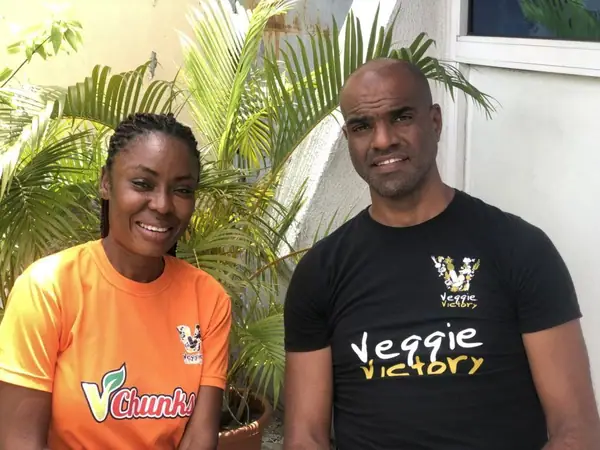
Editor’s note: AFN’s coverage of the emerging African agrifoodtech sector is supported by Dutch development bank FMO. Hakeem Jimo and Bola Adeyanju started one of the first fully vegan restaurants in Lagos to solve a problem they were all too familiar with on a personal level: being vegetarian in a city of 20 million w…
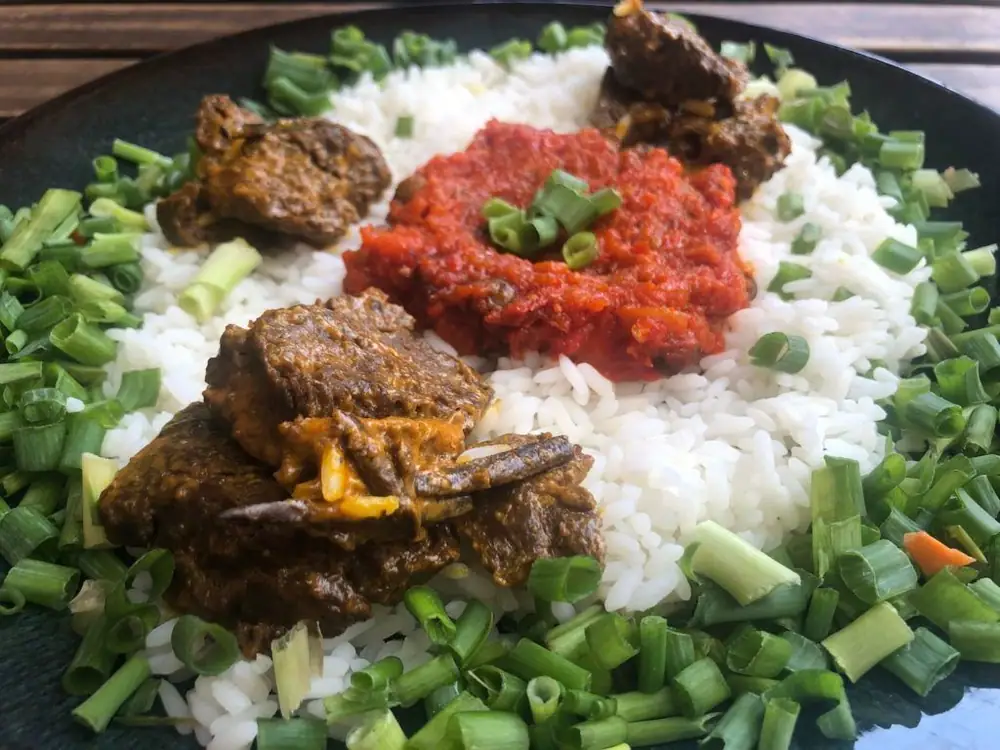
“The demand came from the customers who were impressed by the food they were eating at the restaurant and felt they would like to have the option to make the food in their homes as well,”
“I was struggling to find meat substitutes for the traditional Nigerian dishes that I had enjoyed before,” he says. Now, as the alt-meat movement takes root worldwide, the duo have built a foodtech startup alongside their restaurant to ensure African palates aren’t left behind. VeggieVictory’s first product is Vchunks – plant-based ‘meat chunks’ that are designed to provide an alternative to the meat used in popular local soups, stews, and suya (grilled skewers.) The two-year-old company is one of the first African-founded novel foodtech players to deliver meat substitutes to the African market.
“Africa needs its own meat substitutes. We are a pioneer on the continent,” Jimo claims.
Local tastes
In the multi-billion-dollar alternative protein sector, most of the innovation has come from companies based in the West or Asia. where meat consumption is high and consumers are driving the shift to a more planet-friendly, plant-based diet.
But the demand for protein-rich foods is surging worldwide, including among emerging markets’ growing consumer and middle classes, for whom regular meat consumption has historically been a luxury. VeggieVictory’s products serve as Nigerian alternatives to the flood of expensive Western and Asian-centric alt-meat products popping up in local food shops.
The company’s goal is two-fold: to offer affordable meat alternatives to African consumers, and to match local taste and texture preferences. Jimo and Adeyanju say that Vchunks aligns with Nigerian consumers’ preference for cube-cut meat, while costing at least 10% less than staple animal protiens like chicken and beef.
Dining room R&D
The pair got the idea for VeggieVictory based on customer demand from their restaurant, Vcafe, where they serve vegan versions of classic Nigerian dishes like suya, asun — a spicy melange featuring roasted goat meat — and nkwobi, a delicacy made from cows’ feet. “Two years into the restaurant, we were trying to figure out how to scale, and that is how the retail product was born,” Jimo says.
“The demand came from the customers who were impressed by the food they were eating at the restaurant and felt they would like to have the option to make the food in their homes as well,” Adeyanju adds. The restaurant now serves as VeggieVictory’s R&D engine for testing out new products and dishes.
Its latest offering is vegan ‘beef jerky’ – an item that makes plant-based alternatives even more accessible to consumers because it is ready-to-eat, Jimo suggests. Earlier this year, VeggieVictory closed a pre-seed round with funding from US-based alt-protein investor Sustainable Food Ventures, as well as Capital V, Kale United, and Thrive Worldwide.
Tech-wise, VeggieVictory’s founders are guarded about their product development process – though Adeyanju claims that it’s “efficient, cost-effective and eco-friendly” and that the company works to ensure its foods are healthy, palatable, and affordable locally.
Distribution difficulties
VeggieVictory is already eying a full seed round to boost its product and market expansion efforts.
The company has a looming challenge ahead, however, if it hopes to reach new customers: the bottleneck of distribution in Africa’s rural areas. Logistical challenges in Africa’s food supply chain is an issue that many other African startups are already tackling (among them is Kenya’s Kibanda TopUp, which handles inventory ordering and delivery for informal food vendors and restaurant owners.) Nevertheless, it’s a potentially costly issue that VeggieVictory has to crack in order to scale.
“Ultimately, we want to have an impact,” says Jimo. “It is about creating a mass product that caters to everyone, and we need a lot of funding muscle for that.”
- Who: African · VeggieVictory
- Percentages: 10%
- Figures: 20 million · 10%