Tips to avoid disappointments when baking cakes
Unmolding a cake without breaking it depends on each stage, from the chosen mold to the resting time after baking.
A beautiful cake can be ruined right at the end, when it's time to take it out of the pan. Every step influences the result: the choice of pan, greasing it, how the batter is poured, and the waiting time after baking.
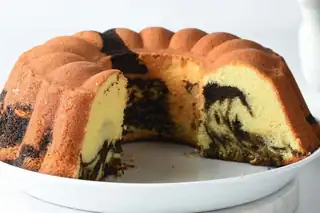
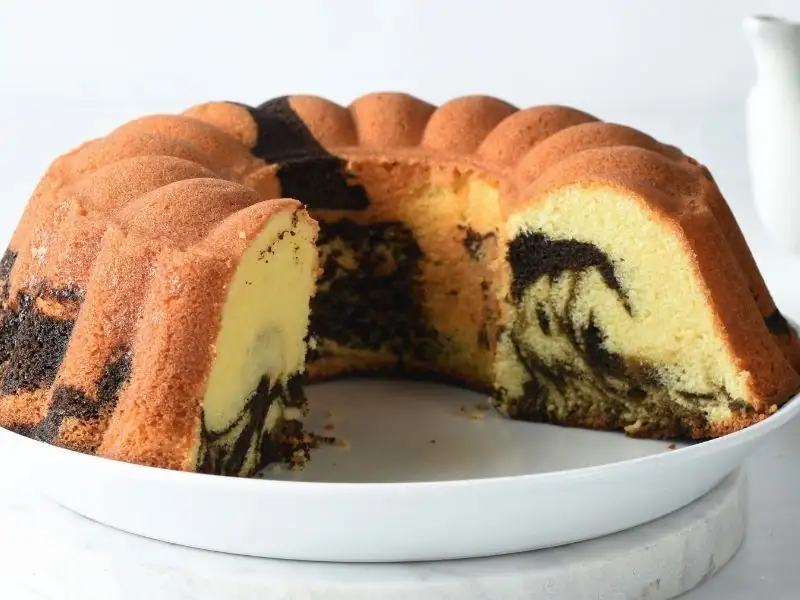
Choosing the right mold is the first step and determines the final result. Special molds, with elegant and intricate designs, offer a visually appealing presentation, but their grooves increase the risk of the dough sticking. With these molds, you have to carefully cover every curve, and the quality of the material affects how evenly the heat is distributed.
The secret to unmolding a cake in one piece lies in the greasing. The inside, including the smallest corners, must be completely coated with baking spray or a special greasing mixture. A light dusting of flour or cocoa powder prevents direct contact between the cake and the metal. If any detail is overlooked, the cake will stick in that area and break.
When pouring the batter, gently tap the pan against the counter to release any trapped air bubbles. This prevents internal gaps that can distort the cake, and results in a smoother texture. Also, leave space between each spoonful and don't fill the pan completely, so the batter doesn't overflow as it rises.
Impatience is one of the most common mistakes. Taking the cake out of the pan as soon as it comes out of the oven can cause it to crumble in seconds. The best thing to do is let it rest in the pan at room temperature for the time indicated in the recipe, so it regains its shape and separates slightly from the sides. Then, invert the pan using a wire rack or plate and carefully remove the cake. That last step, done patiently and at the right moment, determines whether the cake comes out whole.