
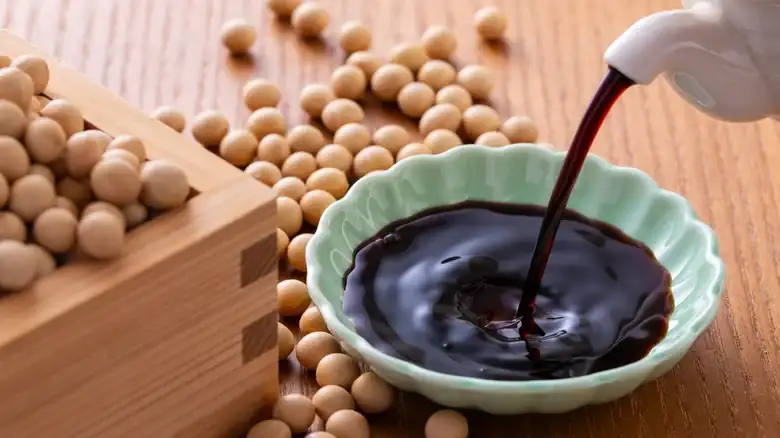
The secret benefit of adding soy sauce to your meals
Soy sauce has a rich flavor, adding sweet and savory notes, along with a delicious umami kick, to food. But adding it to dishes has another benefit, one that might sound a little strange at first, but makes sense when you understand how flavor works: it makes us salivate, and saliva contributes to our overall food experience. Besides initiating the first step of digestion, saliva helps break down flavor compounds and deliver them directly to our taste buds. At the same time, it releases aromatic molecules from food into our noses, enhancing the flavor. It even helps our mouths better perceive fatty foods, coating our palates to give them that rich and delicious sensation.
Soy sauce has a rich flavor, adding sweet and savory notes, along with a delicious umami kick, to food. But adding it to dishes has another benefit, one that might sound a little strange at first, but makes sense when you understand how flavor works: it makes us salivate, and saliva contributes to our overall food experience. Besides initiating the first step of digestion, saliva helps break down flavor compounds and deliver them directly to our taste buds. At the same time, it releases aromatic molecules from food into our noses, enhancing the flavor. It even helps our mouths better perceive fatty foods, coating our palates to give them that rich and delicious sensation.
Soy sauce, a fermented condiment made from soybeans, wheat, and salt, achieves this saliva-stimulating effect by being one of the best ingredients for boosting umami in your pantry. Umami, the "fifth taste," is the essence of pleasure. Besides soy sauce, you'll find it in seared meats, cheeses, and mushrooms, among many other foods. The key is that umami produces a longer-lasting salivary response than most other tastes. Sourness causes a sudden, intense spike in salivation (remember Warheads?), but it disappears relatively quickly. Umami, on the other hand, lingers, prolonging and sustaining the flavor as we eat.
The flavor-enhancing power of this centuries-old condiment isn't limited to Southeast Asian cuisine. Ignoring its wide-ranging potential is like owning a microwave and only using it to make popcorn. Here are some mouthwatering ways to use it.
Soy sauce is a versatile ingredient that goes far beyond its origins.
The flavor profile of soy sauce includes sweetness, bitterness, and acidity, along with aromatic notes of flowers, caramel, smoke, toast, and nuts, among many others. This complexity makes it a versatile ingredient with multiple uses. In scrambled eggs, for example, a splash of soy sauce can replace salt, but its effect goes beyond simply seasoning the dish. The salivation produced by umami keeps each bite tender while enhancing the natural richness of the eggs. Similarly, soy sauce can boost the flavor of meat dishes like stew or be combined with cumin and cloves in a marinade for roast beef. It can even make pasta sauce ten times more flavorful. The deep umami flavors enhance the sweetness of tomatoes, creating a more robust sauce that lingers on the palate thanks to that increased salivation.
Soy sauce can also be incorporated into your dessert repertoire. Substitute it for salt in brownies to create rich caramel notes that enhance the chocolate base. You don't even need to cook with it to enjoy its benefits: a light drizzle over ice cream will give a surprising (and delicious) twist to a classic dessert. In both cases, that surge of salivation extends and prolongs those sweet and intense flavors with every bite.







