Homemade Marinara Sauce: 2 Recipes for Pizza, Pasta, and More
Marinara is a basic Italian tomato sauce. Unlike more complex sauces like Bolognese, it's ready in just 20–30 minutes.
The History of Marinara Sauce
The name "marinara" translates from Italian as "sea" or "marine-style." This often leads to confusion: many people think the original recipe includes seafood. However, this is not the case.
The history of marinara began in Naples in the 16th and 17th centuries, shortly after Spanish conquistadors brought tomatoes from the New World to Europe. The sauce's creation is attributed to ship cooks, who prepared meals for sailors and officers. The chefs' goal was to create a sauce that was filling, tasty, and durable—it had to last for weeks during long voyages without refrigeration. Naturally, the sauce's ingredients had to be inexpensive, so that shipowners wouldn't overspend on food for their crews.
The marinara recipe later made its way ashore. When ships returned to harbor, sailors were offered dishes with a more substantial version of the familiar sauce at port taverns. But marinara's true global triumph came at the turn of the 19th and 20th centuries, along with the wave of Italian immigration to the United States. Once there, the sauce quickly became an essential component of local American cuisine, and today it's impossible to imagine a New York pizzeria or family restaurant without it.
Basic ingredients for classic marinara sauce
Classic marinara has only a few ingredients, so each one plays an important role.
Tomatoes
Ideally, Italian San Marzano tomatoes, grown in the volcanic soils near Vesuvius, have firm flesh, few seeds, and a balanced sweetness. Out of season, the best choice is high-quality canned tomatoes in their own juice (peeled whole or pureed passata).
Olive oil
Only Extra Virgin, first cold-pressed. And it's not just a base for frying: the oil complements the acidity of the tomatoes and gives the sauce a silky texture.
Garlic
There shouldn't be too much. The garlic is sliced thinly or lightly crushed with a knife. This way, it will impart its aroma to the oil without overpowering the tomato flavor. Incidentally, garlic becomes slightly sweet after cooking.
Basil
Exceptionally fresh and green. It's added whole at the very end of cooking or just before serving.
Spices and herbs
Salt and freshly ground black pepper are essential. Sometimes, if the tomatoes aren't sweet enough, chefs add a pinch of sugar to the marinara, although this is a departure from the classic recipe.
Important: There should be no onions, butter, or dried herb mixtures in authentic Neapolitan marinara.
What dishes are prepared with marinara sauce?
Italian chefs say that with a jar of this sauce in the fridge, you can whip up a restaurant-quality dinner in 15 minutes. Here are the best ways to use marinara.
- Pasta. The most obvious pairing. Spaghetti, penne, or fettuccine, mixed with hot marinara and sprinkled with Parmesan, are a timeless classic and a delight for any gourmet.
- Pizza. Marinara (along with mozzarella and basil) is the main ingredient on the classic Margherita pizza. There's also a pizza called "Marinara," which features only sauce, garlic, and oregano.
- Alla Parmigiana dishes. Marinara is essential for baked goods. This sauce serves as the base for the legendary eggplant parmigiana, as well as chicken breast or meatballs.
- Seafood. This is a case where pairing it with a sauce like this is not only possible, but even necessary: the acidity of marinara perfectly complements the flavor of stewed squid, mussels, or shrimp.
- Dip. Warmed marinara is often served in a bowl with crispy mozzarella sticks, fried calamari, or focaccia.
Traditional Italian Marinara Sauce Recipe
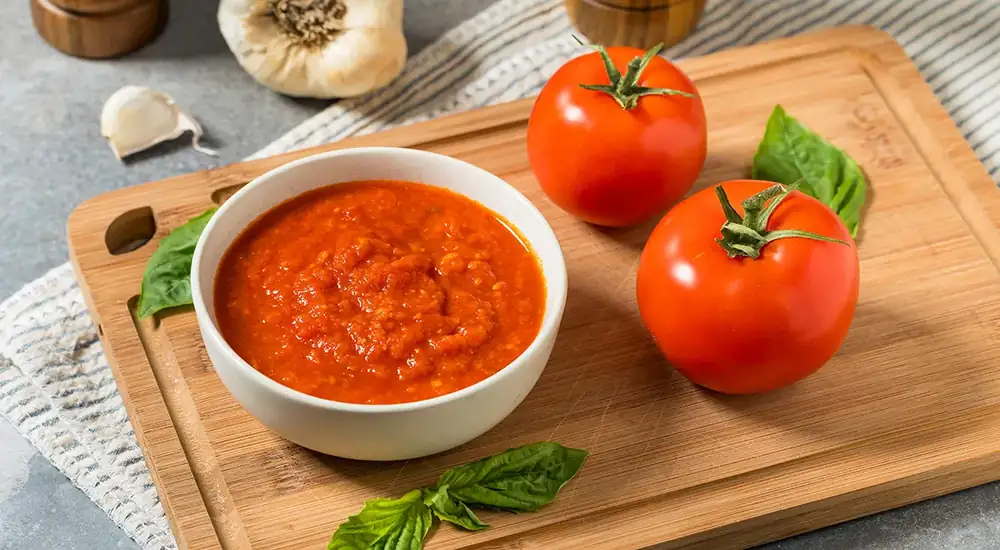
To make a decent amount of sauce, take 1 kg of ripe, fleshy tomatoes, 3-4 cloves of garlic, 3-4 tablespoons of olive oil, a small bunch of fresh basil, and salt and freshly ground black pepper to taste.
Make cross-shaped cuts in the tomatoes. Drop them into boiling water for a minute, remove with a slotted spoon, and peel off the skins. Finely chop the flesh.
Heat olive oil in a saucepan and sauté the minced garlic for a minute, until fragrant. Add the tomatoes, bring to a boil, and simmer uncovered over low heat for 25–30 minutes, until the sauce thickens slightly. Finally, season with salt, pepper, and basil. Simmer for another 5 minutes. If desired, you can finely blend the finished sauce.
Quick Marinara Sauce Recipe
If you don't have time for a long simmer, use a light version of marinara. For this, use passata (canned tomato puree). For 500 g (16 oz), you'll need 2 cloves of garlic, 2 tablespoons of olive oil, a little sugar, salt, and freshly ground pepper.
Heat the olive oil in a small saucepan. Add the minced garlic. Sauté for about 30 seconds, until the aromatic aroma is intense. Pour in the passata, season with salt, pepper, and sugar. Bring to a boil over high heat, then reduce the heat to medium and simmer, stirring constantly, for 7–10 minutes. Once the mixture has a silky texture, the quick marinara is ready.
Frequently asked questions
What to do if the sauce is too sour
A touch of tartness is a natural characteristic of tomatoes, especially if they were picked on a cloudy summer day. The easiest way to remedy this is with a pinch of sugar. Add a little at a time, literally the tip of a knife, and taste. If you're adamant about sugar, add a little honey or tomatillo syrup to the sauce.
How to adjust the thickness of the sauce
If the marinara seems too thin, simply remove the lid and increase the heat to evaporate any excess liquid. If the sauce has thickened too much, add more liquid. It's best to use the pasta water or a little vegetable broth.
What herbs can be added besides basil?
Fresh basil is a classic. However, marinara pairs well with oregano. You can also add a sprig of fresh thyme or rosemary to the sauce while simmering, but be sure to remove it before serving.
How long and how to properly store prepared marinara
Marinara stores well. Refrigerated in a tightly sealed glass jar, it will keep comfortably for up to 5-7 days. The sauce often tastes better on the second day, as the flavors have time to fully meld.