Proteins – what role does red meat play?
Other things you might find interesting
We find several foods on store shelves that provide us with protein, from fish and eggs to grains, beans and lentils. Another example is pure red meat, which can provide good quality protein. A varied diet will provide the body with enough protein and amino acids.
What is considered red meat? In a health context, red meat is typically defined as meat from cattle, pigs, sheep/lamb and goat/goat. The term “red meat” is based on the myoglobin content in the meat. Myoglobin is an iron-containing protein that stores oxygen and is what gives meat its red color.
Proteins are the building blocks of the body
It is found in all cells and tissues, and is necessary for the body to build, repair and function – throughout life. For example, protein helps maintain muscle mass and a normal skeleton.
How much protein do you need?
A simple rule of thumb is that the body needs about 1 gram of protein per kilogram of body weight per day. If you weigh 70 kilograms, this corresponds to about 70 grams of protein. For the vast majority of people, this need is easily met by eating a variety of regular foods.
On average, we consume around 94 grams of protein daily, men around 109 grams and women around 80 grams. This means that we in Norway are well within the recommendations.
What is protein quality and why are amino acids important?
Not all proteins are the same. The difference lies in the content of essential amino acids, building blocks that the body needs and cannot produce itself. This means that we must get these through the food we eat.
Animal foods, such as pure red meat, contain all the essential amino acids in sufficient quantities and in a composition that matches the body's needs. In addition, the protein is easy for the body to absorb and use where it is needed. Examples of other foods with high protein quality are fish, eggs, white meat and dairy products.
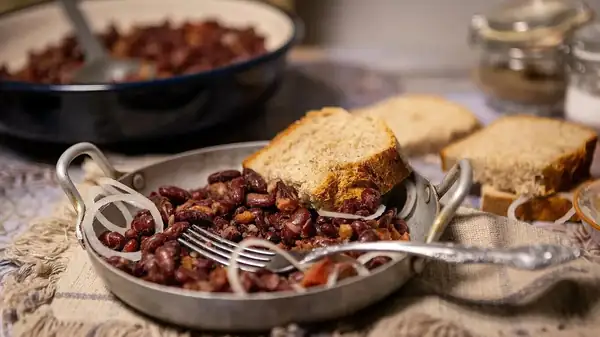
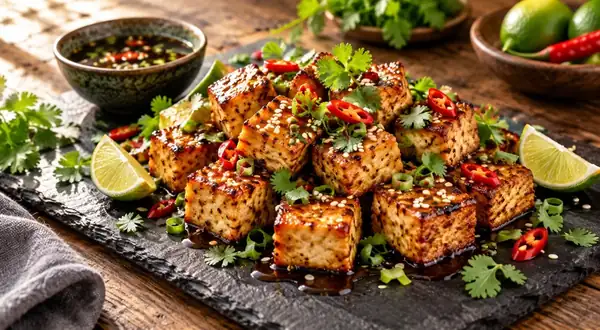
Many plant proteins are lower in one or more essential amino acids and may have somewhat lower bioavailability. In general, you also need to eat slightly larger amounts of plant foods to adequately consume all the essential amino acids. If you have a diet completely free of animal foods, you should therefore consume different plant protein sources throughout the day – for example, combining grains and legumes such as rice and beans.
Most of us eat a combination of plant and animal foods every day, and get enough protein and amino acids without thinking about it. It's good to alternate between different protein sources throughout the week. An exclusively plant-based diet can also meet the need, provided that you eat enough food overall and eat a variety of plant protein sources.
Beef as a source of protein
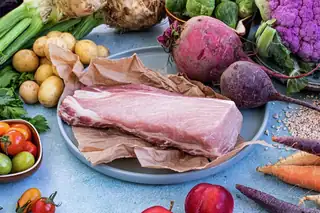
A portion of lean red meat, such as ham steak (about 150 grams raw weight) provides around 30–35 grams of protein. At the same time, it provides relatively few calories (about 180 calories per portion). This portion of meat will cover about 30-50% of the daily recommended intake, depending on weight and activity level. In other words, lean meat can be an easy way to get protein, and also contributes B vitamins and minerals.
Otherwise, we actually get some protein from bread and cereals, because we eat quite a lot of these. Other good sources are dairy products, fish, eggs and legumes such as beans. So a varied diet with enough food is the key to getting enough protein for the body.
The 3 largest sources of protein in the Norwegian diet: meat and meat products, dairy products, and bread and cereals.
Proteins and satiety
Including protein-rich foods in your meal can also help you feel fuller. This is because proteins are digested more slowly and affect appetite hormones, which can make you feel fuller for longer.
Red meat in a balanced diet
Pure red meat is of course not the only source of protein we have, but it can be an effective contributor to protein intake. It provides a good supply of complete protein per serving that the body can easily utilize, one of the reasons why red meat is a useful part of a varied diet.
At the same time, protein is only one part of the picture. The body needs a wide range of different foods to get enough of all the nutrients it needs and to be healthy. So think about a balanced intake of lean meat along with plenty of whole grains and vegetables on your plate, and vary between different sources of protein throughout the week.