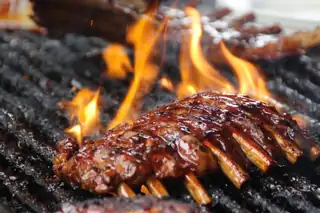
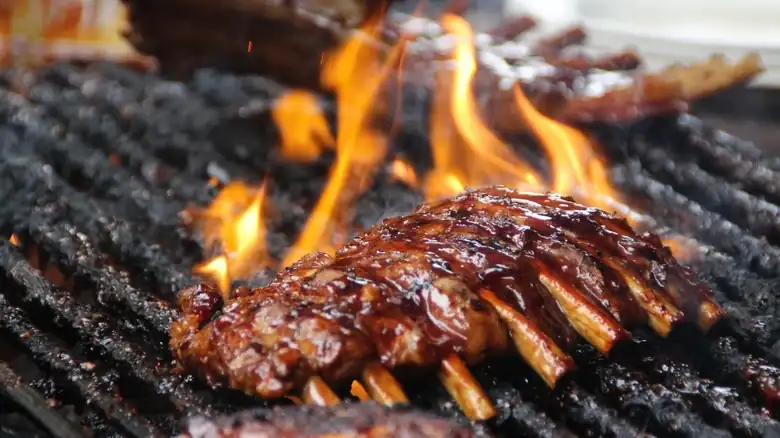
Short ribs and pork ribs differ in the animal, the cut, and the cooking method.
Short ribs are from beef and pork ribs come from the belly, so each requires a different cooking method.
During barbecue season, almost everyone thinks they're an expert, with firm opinions on marinades, sauces, and whether using aluminum foil is cheating. But not everyone can tell the difference between short ribs and pork ribs, and the difference matters when it comes to a good barbecue, because they don't come from the same animal.
Short ribs are a cut of beef taken from the lower part of the rib cage, specifically the shoulder blade or rib cage. Pork ribs, at least in American butcher shops and barbecue restaurants, come from the belly or flank of the animal and extend from the breastbone towards the back, next to the cut where the bacon is made. Hence their particularly rich and fatty flavor.
The size also varies: a pork rib weighs a mere 170 grams, while a short beef rib can easily weigh half a kilo or more. Pork ribs are long and flat, with 11 or more bones; short ribs are thicker and shorter.
Origin matters, but the cut can matter even more. Short ribs are sold in two styles that don't cook the same way. The English cut separates between the bones, leaving a thick block of meat on a single bone; grilled like a steak, it's as tough as shoe leather. It needs several hours over indirect heat, long enough for the collagen to melt and the meat to fall away from the bone. The Flanken cut is sliced across the bones into thin strips dotted with small ovals of bone and cooks quickly: it's marinated galbi-style with soy sauce, garlic, and a little sugar, then grilled for two to three minutes per side over medium-high heat.
Pork ribs also come in different styles. Whole racks retain the breastbone, cartilage, and rib tips. St. Louis-style ribs are trimmed into a clean rectangle, so they cook more evenly and arrive at the table sooner; Kansas City-style ribs are trimmed less. In either case, slow cooking is best: 225 to 275 degrees Fahrenheit for three to six hours, until the rack of ribs sinks and cracks when lifted with tongs.
At the store, it's a good idea to read the labels carefully. Some say "beef ribs," but in most cases, they're actually ribeye steaks, which come from the upper part of the rib cage and have less meat. That's why it's worth knowing what kind of ribs you're buying before you choose them.







