Cómo conseguir un glaseado degradado de colores para pastel
Según Food & Wine, el secreto de un glaseado degradado está en repartir el glaseado en recipientes separados y mezclar dos tonos por capa.
To achieve the gradient effect, Food & Wine suggests first dividing the icing into separate containers so that each color can be controlled. This creates a layered gradient effect, using approximately two types of icing in each layer so that they blend seamlessly.
Southern Living suggests choosing one food coloring and mixing three different shades of the same color, so the transition from one to another is gradual and smooth. All you need are two tools: a piping bag and a spatula.
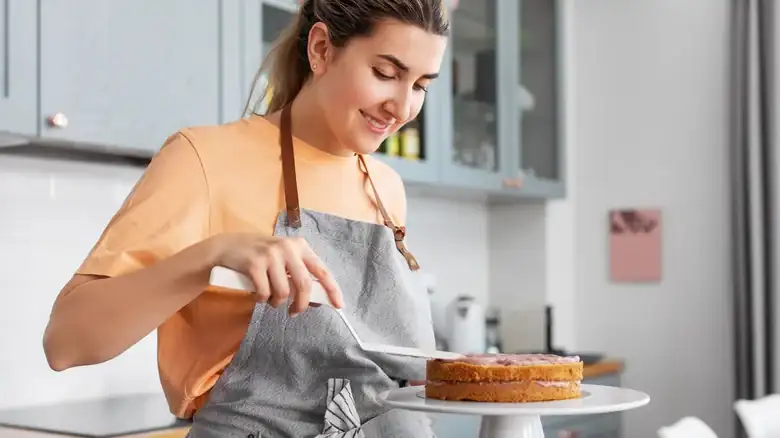
Once the colors are prepared, apply them around the cake in three evenly distributed layers. Use a spatula to spread and blend the shades. For a more defined effect, leave less space between the rings.
A common mistake is thinking that very similar colors are enough. The key is to use different shades of the same color: for example, for a pink gradient, it's best to start with a light pink and gradually add drops of food coloring to each layer until you reach the desired dark shade. Gel food colorings are usually the best option because they are more concentrated and don't alter the consistency of the icing.
Piping bags allow for more controlled application, although some experts suggest that spreading the icing with a spatula works just as well. Betty Crocker recommends piping a layer, spreading it, and repeating the process with each subsequent layer, which provides more control over the intensity of each color. Another, simpler option for those with less experience is to pipe all the colors and spread them simultaneously with a spatula.
If the cake layers are translucent, it's best to start with a thin layer of white frosting and let it cool before adding the colors.







