Frying pans and saucepans: form and function are identical regardless of the material
Whether you call them a frying pan or a saucepan is simply a matter of regional preference; both are round, flat-bottomed containers with the same function for sautéing, frying, and browning food.
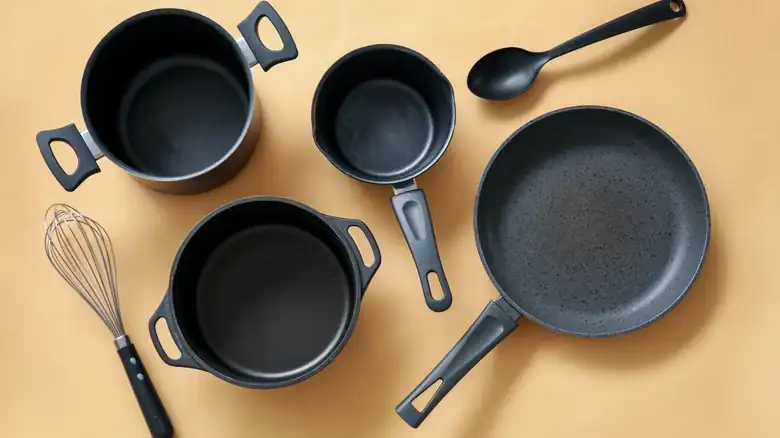
The difference between the terms is purely linguistic. A frying pan is a round, flat-bottomed pan with sloping sides, designed to make turning food easier. With a diameter ranging from 20 to 30 centimeters, it's ideal for frying, sautéing, and browning. Its sloping sides promote evaporation, perfect for cooking at high temperatures where the goal is to brown or crisp food.
The form and function are identical whether they're made of cast iron, stainless steel, or aluminum. Cast iron is prized for its heat retention, ideal for searing steaks, crisping chicken, or baking. Nonstick pans are excellent for low-fat cooking, perfect for eggs and pancakes. They do require care, as their coating wears down at high temperatures. Stainless steel offers a balance: it's not nonstick, but it withstands high temperatures for browning, sautéing, and deglazing.
The key is not in the brand or the regional name, but in the material that best suits your specific culinary needs.