How to scrub and baste meat on the barbecue: advantages, disadvantages, and controversy
Scrubbing and spraying meat helps prevent it from drying out, but it can also reduce flavor, lengthen cooking time, and damage the rind.
Dry meat is the bane of barbecue, which is why for centuries it's been coated with sticky sauces or basted with liquid during cooking. But simply adding moisture isn't enough: scrubbing and basting can be effective if done properly, and can also remove the crust that has formed over hours.
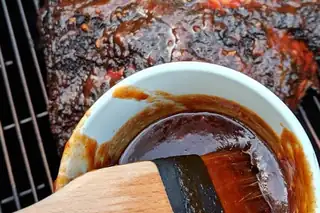
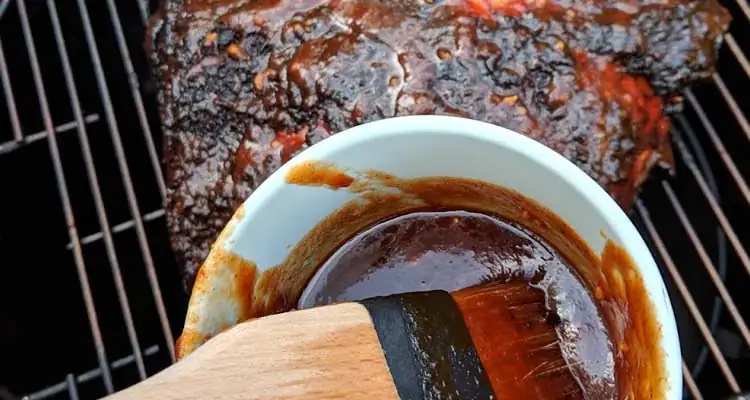
Mopping involves applying moisture with a brush or mop, and in slang, the term also refers to the sauce itself. Spraying involves spritzing the liquid onto the surface with a spray bottle. In addition to keeping the meat moist, the liquid can add layers of flavor. Applying oil with either technique results in a slightly darker, softer crust, which attracts more smoke and makes the meat look better on the outside.
The term "mopping" has historical origins: it appeared when Walter Jetton, President Johnson's favorite grill master, cooked for the masses on a huge 40-square-foot outdoor grill and used a mop to moisten the meat and prevent it from drying out. Today, it's more associated with low-temperature, slow-cooking than grilling.
Scrubbing and basting have several effects. It lengthens cooking time: over low heat, it can add 10 to 20% of the cooking time because the cold sauce cools the surface. The flavor depends on the sauce: one that's too thin can wash away some of the marinade, while a thicker one retains it. The crust becomes less crispy if it's over-soaked, although the sugar in the sauce helps to brown it. Smoke adheres better to the moist surface, and the nitrite in the smoke, when it reacts with myoglobin, forms the pink ring. The water replenishes some of the lost moisture and leaves the meat juicier.
There are also hygiene risks. Mopping can spread microorganisms from raw meat, and the liquid in which the meat was marinated should not be reused as a sauce. At 68°C (155°F), most harmful microorganisms are killed, so it's worth considering where the mop has been and what temperature the liquid will be used at. Furthermore, a minority of smokers maintain that mopping and spraying are unnecessary because the water can wash away the spices and damage the crust.
In a test by All Things Barbeque, the unsprayed ribs had a crispier, drier crust. The sprayed ribs looked juicier and had a more subtle flavor because the seasoning toned down the heat of the spice blend. They took about an hour longer to cook. The choice between the two is a matter of personal preference.
For a dark, sticky crust, use high-sugar ingredients in the sauce, such as apple juice, a liquor like bourbon, or a little olive oil. It's best to wait about 90 minutes for a crust to form before starting, as this minimizes marinade waste. After turning the meat over, basting the hot side with the sauce while it's still warm helps it penetrate.
In short, scrubbing and spraying are not essential for barbecuing, but they offer a range of flavors and textures to experiment with.







