What's so special about puff pastry and how to make the most of it at home
The puff pastry dough puffs up in the oven thanks to the butter, forming very thin layers, and is suitable for both sweet and savory dishes.
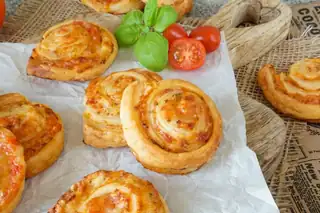
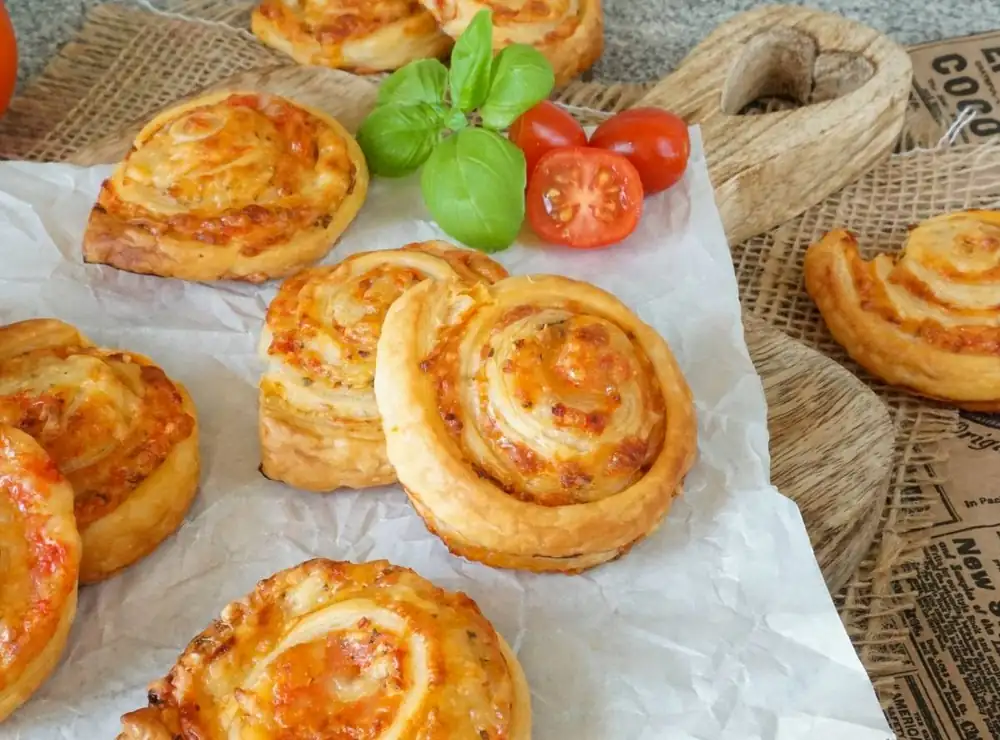
If the puff pastry rises in the oven and each layer puffs up, the dough is well-worked. When done correctly, it's golden, crispy, and light, and it's not just for desserts like delicate cakes, croissants, or tarts; savory dishes work very well too.
The key is that it receives the necessary heat in the oven for its layers to rise. During baking, the water evaporates, the dough expands, and the butter, incorporated in layers, acts as a barrier that traps the steam. This creates very thin, crispy layers.
The most famous puff pastry is probably the French croissant, and it's no surprise that the dough originated in France, where it's a staple of pastry making. The traditional version consists of flour, water, and salt, with butter incorporated through a repeated rolling and folding process called lamination. Unlike Danish pastry, traditional puff pastry doesn't contain yeast.
Since the traditional dough doesn't contain sugar, it can be used for both sweet and savory dishes. It pairs well with fruits, vegetables, nuts, and dried fruit, as well as with fish or meat.
In a well-stocked supermarket, you'll find fresh and frozen puff pastry, usually rolled up, near the pizza dough and in the refrigerated section. Both are ready-to-use products, although it's best to let the frozen one thaw slightly. Frozen dough tends to become sticky quickly, so fresh, pre-rolled dough, which comes in square and round shapes, is recommended.
Making it at home requires time and effort, because the dough needs to rest after each rolling and folding. There is an easier version, Dutch puff pastry, which mixes flour, water, salt, and butter and makes folding easier.
Some tips: always preheat the oven, otherwise the dough won't rise; let it rest for a few minutes before baking, so it relaxes and rises properly; cut it with a sharp knife, otherwise the edges will stick; brush it with egg or a mixture of egg and milk to achieve an appetizing color; and serve it freshly baked, because it softens quickly once filled.