From bratwurst to chorizo
Today, almost every region has its own characteristic version: paprika chorizos, smoked bratwursts, black puddings, delicately aged salamis or freshly grilled specialties are made in different parts of Europe.
Sausage is both comfort food and artisanal tradition – and at the same time, a single dish condenses the raw material use, climate, and food culture of a country.
But what makes Europe's sausage traditions so diverse, from slow-aged salamis to smoky, grilled regional classics?
Take a gastronomic journey among Europe's most famous sausages.
Germany: more than seven hundred years of sausage tradition.
In Germany, sausage is both street food and national pride: it is present almost everywhere, from street grills to traditional restaurants. The first mention of bratwurst comes from Nuremberg in the early 14th century, and the city is still closely associated with sausage making.
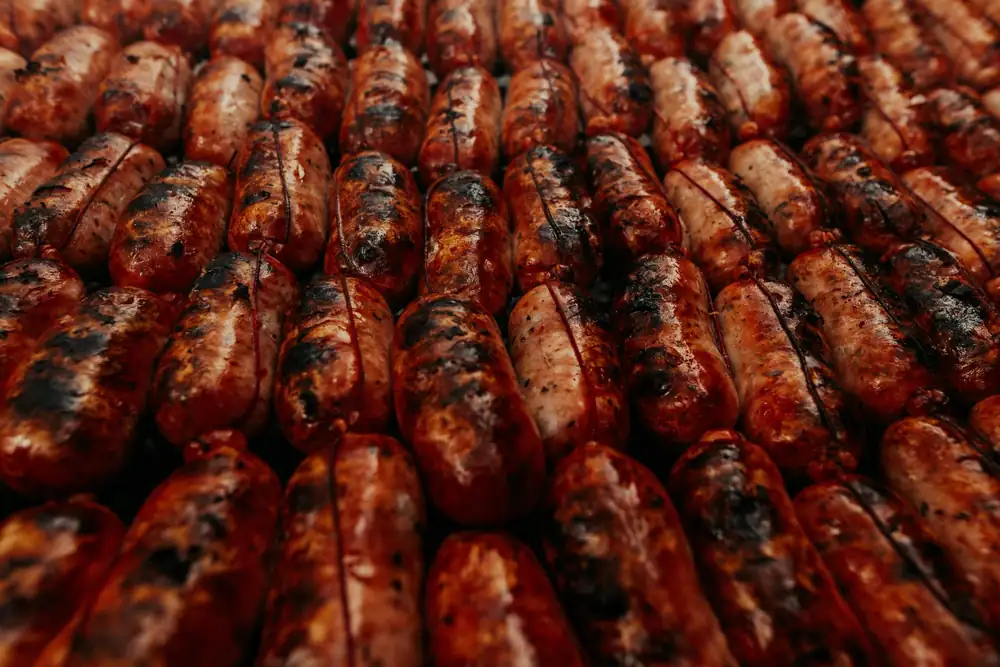
Nürnberger rostbratwurst is a small pork sausage seasoned with marjoram and traditionally grilled over beech wood. The Bratwürstelhäusle on Nuremberg's main square has been making it since 1312 and serving it with sauerkraut or potato salad.
Frankfurt's iconic sausage, the Frankfurter würstchen – a precursor to the hot dog – is made from finely ground pork, lightly smoked. It is traditionally not boiled, but gently heated, and then served with mustard or horseradish.
There are over a thousand types of sausages in Germany – sausage making is still considered a culinary art in its own right.
Spain: smoky chorizos and regional specialties.
Paprika arrived in Spain from the Americas in the 16th century – and it fundamentally changed the country's sausage culture. The most famous result was chorizo, which is given its characteristic red color and deep aroma by smoky pimentón.
Made from pork, garlic and peppers, chorizo can be made fresh, aged or smoked. In the colder months, it is often served in casseroles and bean dishes, and in tapas bars it is served fried until crispy, accompanied by red wine or draft beer.
One of Catalonia's most famous sausages is butifarra, a lighter, pepper-free version traditionally grilled over charcoal and served with white beans. The traditional sausage is now also making its way into the world of fine dining: at the two-Michelin-starred restaurant Les Cols, for example, black butifarra is prepared with grilled peas, bacon and mint.
In Spain, blood sausage has also developed into a separate gastronomic genre. Morcilla is prepared in different versions depending on the region, and in some places it is enriched with beans, raisins or oil seeds.
Italy: the refined art of aged meats.
Italy is considered by many to be the homeland of salami, and the country has been shaping its own salumi culture for over two thousand years. From the delicately aged, thinly sliced salamis of the northern regions to the more characteristic specialties of the south, seasoned with chili and garlic, a world of extraordinary diversity emerges.
Salame crudo is the air-dried, raw version, while salame cotto is cooked salumi.
A traditional Tuscan specialty is buristo, made from pork blood, head meat and fat, seasoned with lemon, garlic, parsley, pine nuts and cinnamon. The darker, softer-textured sausage is still available in butcher shops, especially in the winter.
One of the most famous Italian specialties is mortadella Bologna, which is one of the few unripened salumi. The lightly cooked sausage is often enriched with pistachios or olives, and its size can sometimes be quite monumental.
Calabria's iconic specialty, 'nduja, has a completely different character. Originally made from the less noble parts of the pig, this bright red, chili-rich, spreadable salume has become one of Calabria's most famous specialties. It is often spread on bread, melted into pasta sauces, or on pizza.
From Tuscany to Calabria, Italian sausage culture is still strongly regional: it is present in the world of traditional butcher shops as well as in contemporary Italian cuisine.
France: regional traditions and charcuterie culture
In France, sausage is much more than a simple dish: it is an important part of regional identity and the world of charcuterie. The country's sausage culture is extremely diverse, from slow-aged specialties to hot versions.
In the Franche-Comté region, smoked sausages such as Morteau or Montbéliard are still made using traditional methods, their character given by slow, wood-smoked maturation.
A classic dish for the colder months is boudin noir, a blood sausage made from pork blood, often served with caramelized apples. There are many regional variations, with some enriched with chestnuts, cream or Armagnac.
Boudin blanc, on the other hand, is made without blood and is softened with milk or cream. It is a festive specialty, especially in eastern France, and is a classic dish of the Christmas season.
Among the most well-known French salamis is saucisson sec, which is served thinly sliced, with bread and cornichons.
One of the most divisive specialties of French sausage culture is andouillette, a sausage made from pork tripe, which is most often served grilled, with mustard and French fries.
French sausage culture is still closely linked to the world of bistros, bouchons and traditional charcuterie.