Gourmet döner kebab and high-end ramen: how enjoyment shapes food culture
Dishes migrate and change, and in Germany döner and currywurst are reinterpreted in restaurants that take care of the quality of the meat.
In Germany, culinary identity is constantly evolving. Its cuisine is the result of centuries of exchange, and no food illustrates this more clearly than meat. What was once considered "foreign" is now part of everyday life and has reached a new level of scrutiny.
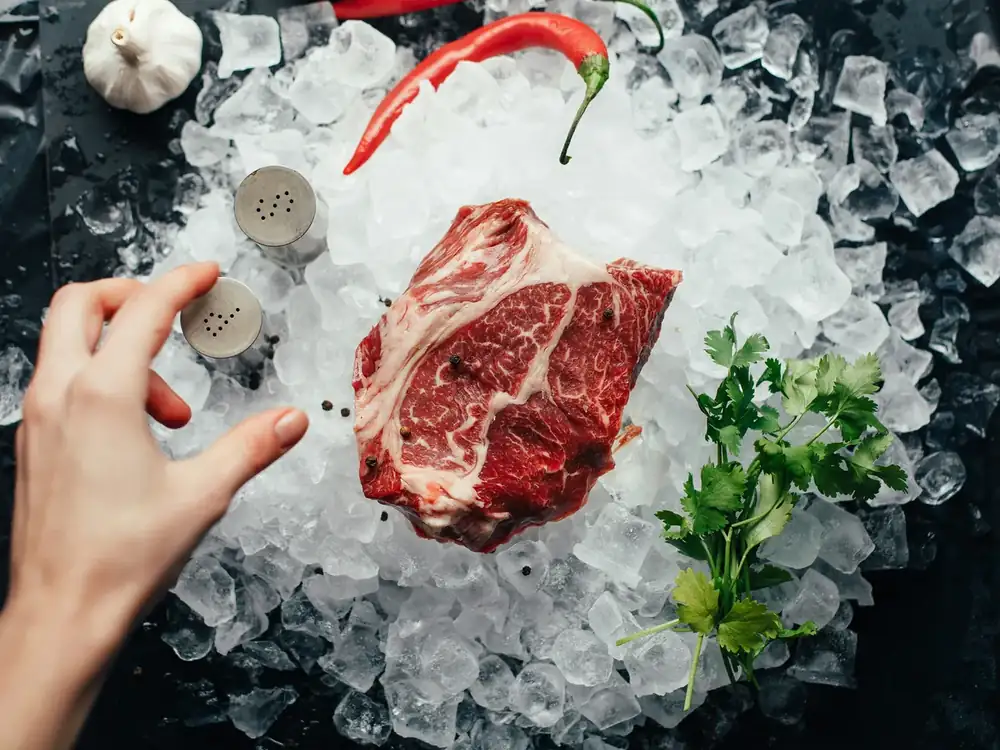
For today's gourmet, the "how" matters less than the "what." Mindful eating is based on the desire to understand the story behind the product. Meat carries identity and is a symbol of hospitality, and those who buy a good cut usually opt for quality.
In Japan, street food reaches its pinnacle with ramen. Its base is a broth that is often simmered for over 24 hours with bones to extract exceptional depth of flavor and valuable nutrients. The quality of the meat is crucial: only with the highest quality starting ingredients can that silky texture be achieved.
The döner kebab, meanwhile, is no longer just fast food. In major cities, concepts have emerged that present it as a culinary experience, such as Ferhat Döner in Vienna or Honest Kebab in Hamburg. There, transparency and quality are paramount: they use meat from humanely raised animals, such as grass-fed beef, served in homemade sourdough bread with oriental spices.
The same is true of currywurst, the quintessential German cultural icon. In high-end restaurants, it's served with sauces made from homemade broth and exclusive curry blends. Tradition and modern preparation merge, blurring the lines between a tapas bar and a Michelin-starred restaurant.
Meat deserves an objective and nuanced evaluation in the debate about a balanced diet. In addition to its flavor, texture, and quality of preparation, it also offers nutritional benefits: it contains protein and, depending on the type of meat, nutrients such as vitamin B12, zinc, and iron.