The difference between Carolina's liver puree and pâté
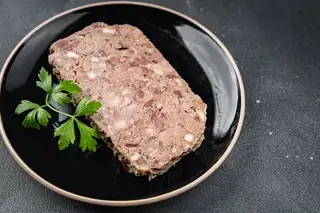
Liver pudding and livermush are two regional American variations of the same concept, differentiated by their binder and resulting texture.
Dishes made with organ meats, often overlooked, have incredible appeal. Learning to prepare liver unlocks unique flavors and textures. In North and South Carolina, two regional versions dominate: liver pudding and livermush.
Liver pudding, typical of eastern North Carolina and South Carolina, is a smooth, spreadable creation. It combines pork liver with flour and seasonings such as sage and chili flakes. Milk and eggs are added for creaminess. In South Carolina, the filling is rice; in North Carolina, flour. It's boiled, fried, or baked, then chilled in the refrigerator. Traditionally spread on bread when cold, it's perfect for a no-cook brunch.
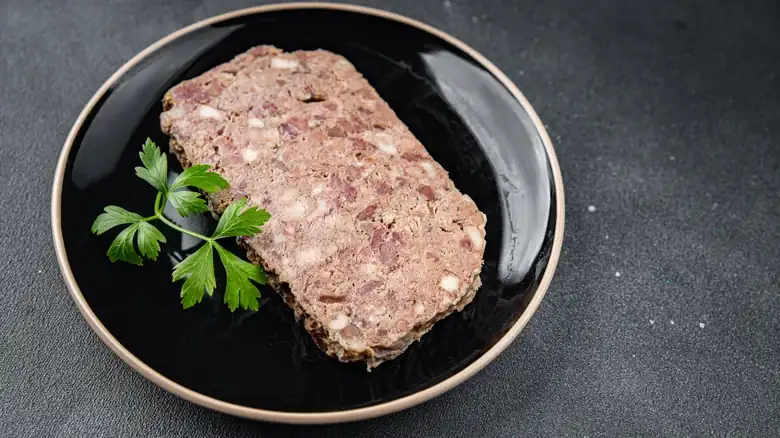
Livermush, associated with western North Carolina near Charlotte, is denser. It originated with German immigrants during the Civil War, evolving into its own unique creation, a testament to North Carolina's distinctive culinary tradition. It combines chopped liver with ground pork shoulder bound with cornmeal. Sage and pepper are dominant; onion and garlic powder are also added. It's boiled until fully cooked, then cooled in a mold. The result is a block that can be sliced into thick rounds, which are then fried until crispy, like breakfast sausage.
The pudding is enjoyed in a wider region and can even refer to dishes nearly identical to livermush prepared elsewhere. Its origin is uncertain, but it likely also emerged with southern settlers. Both versions are worth trying to experience the magic of pork liver.