Pero el café no es el único cultivo: los agricultores guatemaltecos están convirtiendo la harina de taro en una nueva fuente de ingresos
En los últimos años, en Estados Unidos y otros países, se han encontrado alternativas a la harina de trigo. Esto suele deberse a la sensibilidad al gluten, así como a la búsqueda de variedad y sabor.
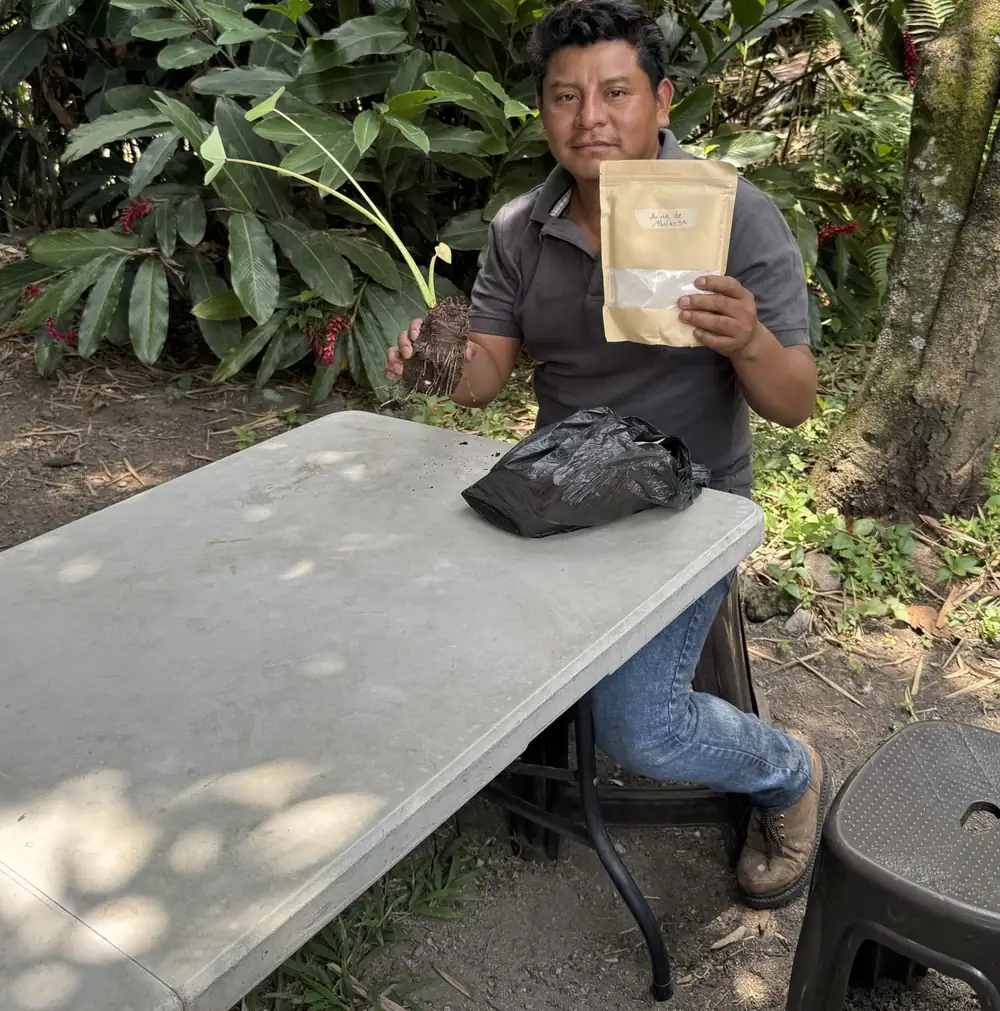
GUATEMALA, In recent years, people in the US and elsewhere have found alternatives to wheat flour. This is often driven by sensitivity to gluten. It also has to do with taste and variety. In Guatemala, coffee farmers in isolated rural areas are producing and selling a different type of flour to diversify and increase their incomes. They make this flour from taro (malanga), a plant widely available around villages in these coffee growing areas.
The root is dehydrated and ground to make flour. Taro flour is gluten-free and highly digestible. It is rich in dietary fiber, potassium, vitamin C, and complex carbohydrates. With a very mild, neutral to slightly nutty taste, taro flour is a highly versatile ingredient for baking and thickening.
While the taro root itself is obtained at no cost, producing flour for sale, dehydrator, packaging, etc.-requires investment. Coffee farmers obtain investment funds with loans taken from savings and credit groups. These are farmer-run groups in which members invest small amounts each month. When a group accumulates enough capital, members take out loans at very low interest rates.
Money is invested in innovations to improve agricultural or livestock output, build and stock fish pond start small businesses and more. Loans are paid back through profits. In addition, a portion of profits are usually also reinvested in the group, further increasing the amount available to loan to members. Some of these savings and credit groups have accumulated tens of thousands of dollars.
Some farmers have taken loans to produce and sell malanga flour. These businesses have been very successful. In addition to profits and higher income for sellers, buyers in coffee growing communities can purchase a relatively low-cost and very nutritious ingredient for baking bread and other needs.
Malanga flour is part of a holistic program to raise incomes and improve nutrition of coffee farmers and their families. This is especially important as marketing for ultraprocessed foods has reached even isolated Guatemalan villages. Many children now suffer both obesity and malnutrition. The program run by international development organization World Neighbors and its local partners is one way to counter this trend.