A Persian dinner in the heart of Dupont, in Washington DC
Darvish, a Persian restaurant, is celebrating its second anniversary in Dupont and, judging by the large turnout at its anniversary party, has established itself in the city center.
In Darvish, Masoud Aboughaddareh, a veteran of Washington DC nightlife, and his wife, Golnaz, pay homage to Shiraz, Iran's cultural capital, known for its Persian gardens and picturesque architecture.
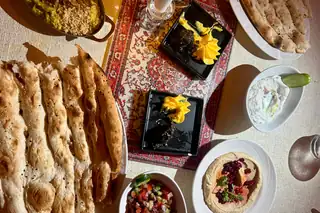
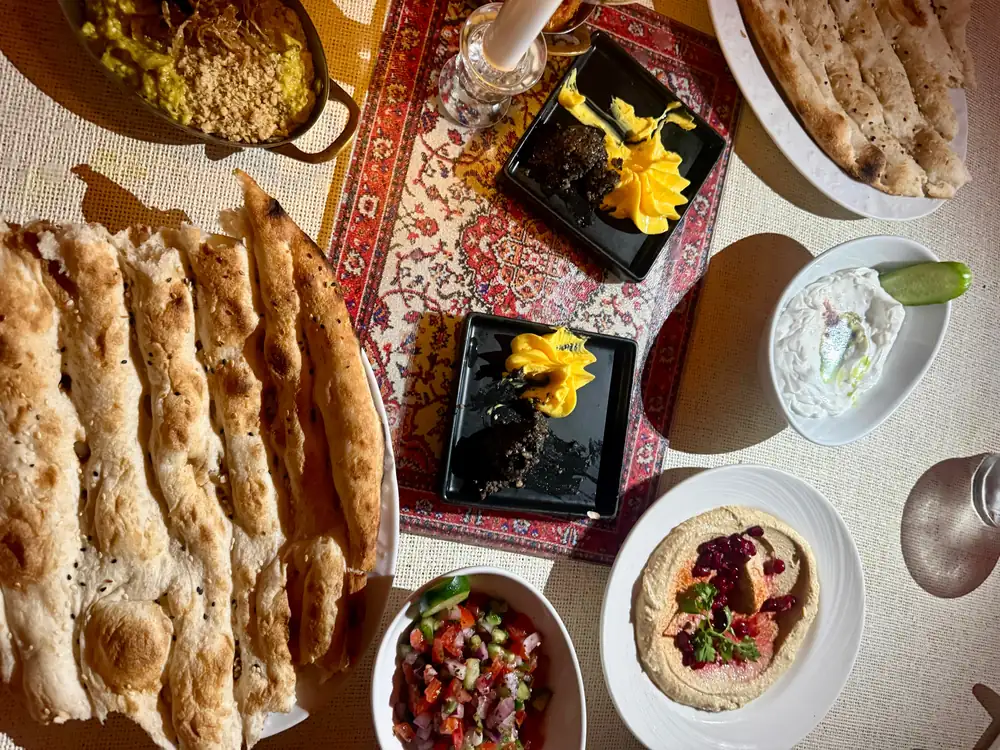
The pomegranate, Iran's most prized fruit, plays a starring role throughout the menu. Jewel-colored pods adorn the velvety hummus whisked with tahini, and pomegranate molasses shapes the tart, almost too thick Lavashak Dream cocktail, made with Grey Goose, sour cherry juice, and a tahini and sumac rim.
The $14 soup of the day is a warm, silky green pistachio soup sprinkled with dates. Pistachios have been a staple since day one, even appearing as a house-made syrup in the espresso martini. The saffron-marinated chicken kebab, which former Washington Post food critic Tom Sietsema praised early on, remains just as good; one diner who had already eaten finished the entire plate.
The fluffy, 30cm flatbread, baked in a clay oven, goes well with almost any sauce ($14). The creamy eggplant with buttermilk, sauteed onion, garlic, and mint is highly recommended; the plain yogurt version with dried shallots is an excellent second choice. The bread arrives on a stand reminiscent of a miniature Persian rug.
Two palm-sized discs of crispy rice ($20) are topped with Persian stews, ghormeh sabzi and gheymeh bademjan, slow-cooked with tender meat, spinach, herbs, and split yellow peas. Each bite offers a pleasing contrast between crispy and juicy.
Golnaz transformed the space, formerly home to Mari Vanna, with numerous art installations and nods to Iran. A large wooden trunk illuminated in blue displays empty bottles of Rémy Martin and wine from the famous couple's wedding, both of whom wear turquoise necklaces. Posters bearing the names of real Iranian streets, such as Basiri Alley, the heart of Tehran's art scene, decorate the brick hallway leading to the second floor.
The Kolbeh lounge, on the third floor, is decorated with black-and-white photographs of family and friends. A gleaming lion's head, originally hidden among the Victorian wallpaper, now commands attention above the bar. The space is organized on different levels: a ground floor with cushioned nooks beneath chandeliers, a mezzanine for large groups around a round table, and tables for two by the wooden railing, overlooking the bar below.
At the top, a low-ceilinged, LED-lit space fills each night with elegant suits and skirts, and a parade of hookahs. Retro radios are on display, and JBL speakers blast DJ remixes, accompanied by Persian percussionists. Those who sink into the plush, long sofas upstairs, the article warns, find it hard to get up. Tables of two or more can choose the set menu, $70 per person, which includes a starter, a main course, and a dessert to share.