Costes Group's L'Avenue Opens Inside Dubai Mall's Fashion Avenue Wing
Paris's Costes Group has opened L'Avenue, an all-day brasserie of steak frites, seafood towers and French omelettes, inside the Fashion Avenue wing of Dubai Mall.
The dining room never goes dark. There is no hour when the tables sit half-cleared, no pause between the lunch crowd and the dinner crowd.
Closing that seam is the first decision on display, made before a single plate leaves the kitchen. It belongs to L'Avenue, the newest opening from Paris's Costes Group, set inside the Fashion Avenue wing of Dubai Mall, a corridor named for the boutiques that line it rather than for anything served at a table.
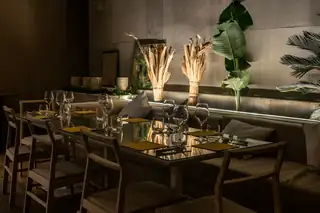
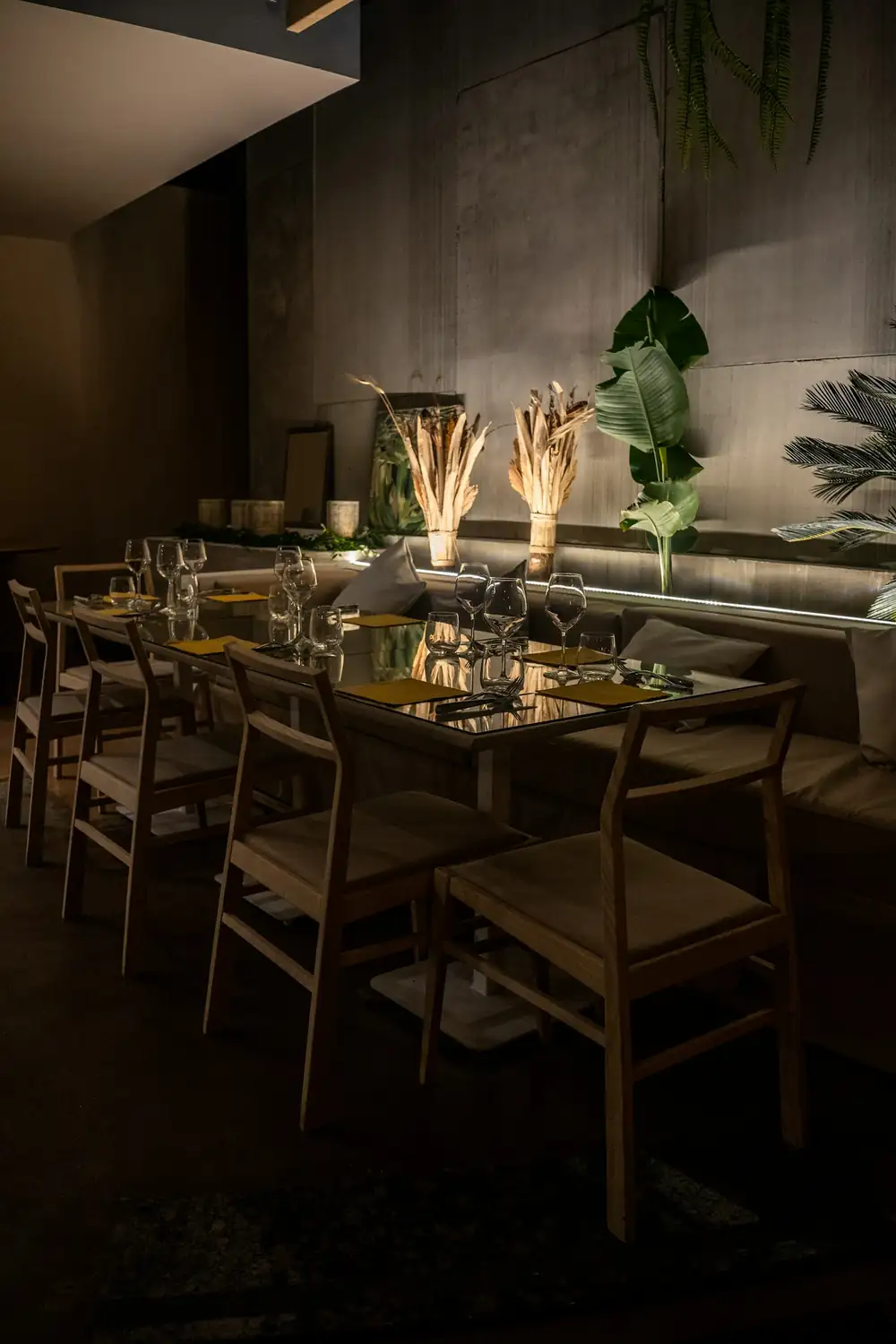
Placing a French brasserie inside a stretch of mall built for flagship storefronts rather than for restaurants is a piece of staging as deliberate as anything a director blocks on a set, because it decides who slows down at the window, who sits between fittings, and who simply passes on the way to somewhere with a name over the door; a stage manager choosing where the light falls understands that the audience is cast as carefully as the actors are, and here the audience arrives already dressed for the part, already moving at the pace of a mall built around looking rather than lingering, so the room has to hold its own tempo against that current without appearing to fight it, the way a set has to hold its own light against a house that never fully dims.
The kitchen answers with a repertoire that asks nothing new of anyone. Steak frites, the plainest test of a kitchen's fat and heat; towers of shellfish, built to be shared and photographed before they are dismantled; and the French omelette, that small trial of technique disguised as the simplest thing on the card. None of it is unfamiliar, and that is the function it serves: familiarity becomes the fixed point around which an unfamiliar setting is allowed to turn.
Half an hour after leaving, what stays is not a dish but the sense of having sat inside a set that never lowered its curtain, in a mall that does not otherwise pause for anyone.