This is the name for the bakwan in different regions of Indonesia
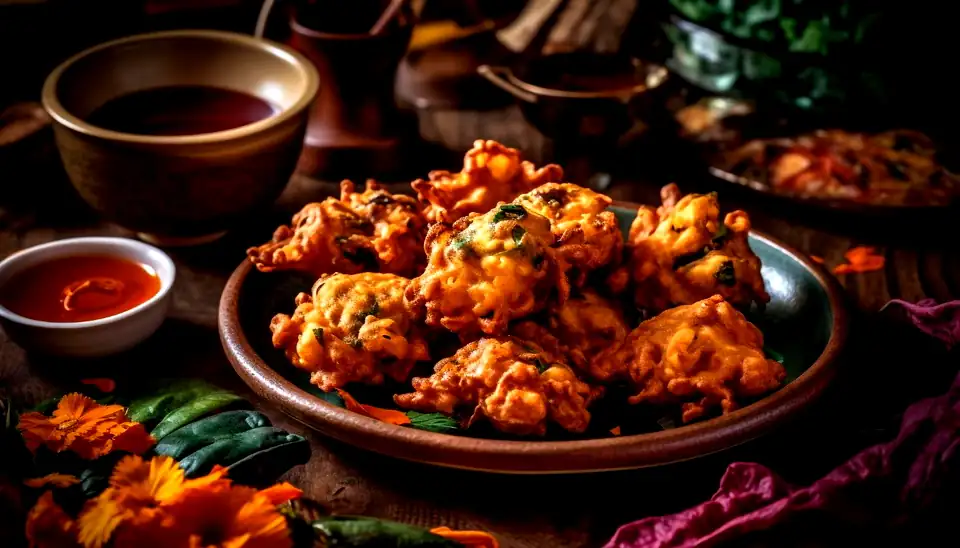
Bakwan, a fried dish made with flour and vegetables, is known by many different names in Indonesia, such as bala-bala, ote-ote, weci or pia-pia, depending on the region.
Bakwan is a well-known fried dish, easy to find in almost every region of Indonesia. It's made with wheat flour batter, spices, and vegetables such as carrots, cabbage, scallions, bean sprouts, and corn; it's eaten hot, sometimes with spicy sauce or as a side dish with rice. Its name, however, varies considerably from region to region.
According to Kompas, the word comes from "bak," meaning meat, and "wan," which usually refers to balls. This explains its connection to bakso, meaning meatball, and the term is still used in Surabaya and Malang. Fried bakwan is not an authentic Indonesian dish and has roots in Chinese, Portuguese, Japanese, and Indian culinary traditions. Korea has pajeon, and India and Pakistan have pakora, all of which are similar to bakwan.
In Jakarta and its surrounding areas, especially among the Betawi people, bakwan is the ideal accompaniment to breakfasts such as nasi uduk, lontong sayur, and nasi ulam, and is commonly found at street stalls. The term is also used in Yogyakarta, Lampung, and Manado. In Jakarta, it is served with uduk rice, while in Lampung, it is accompanied by a cuko sauce similar to that of pempek.
In West Java, especially among the Sundanese of Bandung, it's called bala-bala. In Sundanese, "bala" means "messy," referring to the irregularly mixed vegetable filling. It's sold as street food with white or yellow rice, sometimes with chili sauce or cayenne pepper. In Surabaya and Malang, bakwan is a soup with dumplings and some fried ingredients, so it's best not to order it as a stir-fry.
In Surabaya and surrounding areas, such as Gresik and Sidoarjo, the stir-fry is called ote-ote. It is thicker and more voluminous, with a rounded, convex shape, and can contain seaweed, oysters, clams, and even chicken or pork. In Malang, Lumajang, Madiun, Magetan, and Ngawi, it is known as weci or heci, and some serve it in a crescent shape. On the east coast of Sumatra, from Medan to Bagan Siapiapi, heci combines features of bakwan and ote-ote, but in Bagan, it is filled with fresh shrimp and pieces of taro.
In Semarang and surrounding areas, such as Kendal, Batang, and Pekalongan, some call it badak, a word meaning rhinoceros, and locals joke about its ability to eat one. In Central and East Java, in places like Blora, Pati, Rembang, Ponorogo, Bojonegoro, and Tuban, it is called pia-pia or piya-piya. The batter is scooped out with a ladle and fried, resulting in a thicker, fluffier, and more convex shape. In Situbondo, Bondowoso, and Banyuwangi, it is called Hongkong, although its connection to the Chinese autonomous region is unclear.
In Makassar, in South Sulawesi, bikang doang, which means "shrimp fritters" in the local language, is similar to bakwan: a dough of flour and egg with vegetables and a shrimp in the center. In Kendari, in Southeast Sulawesi, the same idea is called kandoang, with cabbage, carrot, spring onion, and a whole shrimp in the center.
Since its exact origin is still debated, the same fried food can have many different names.