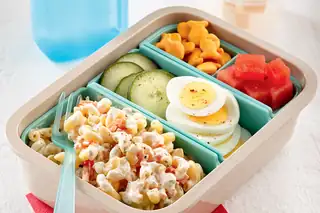
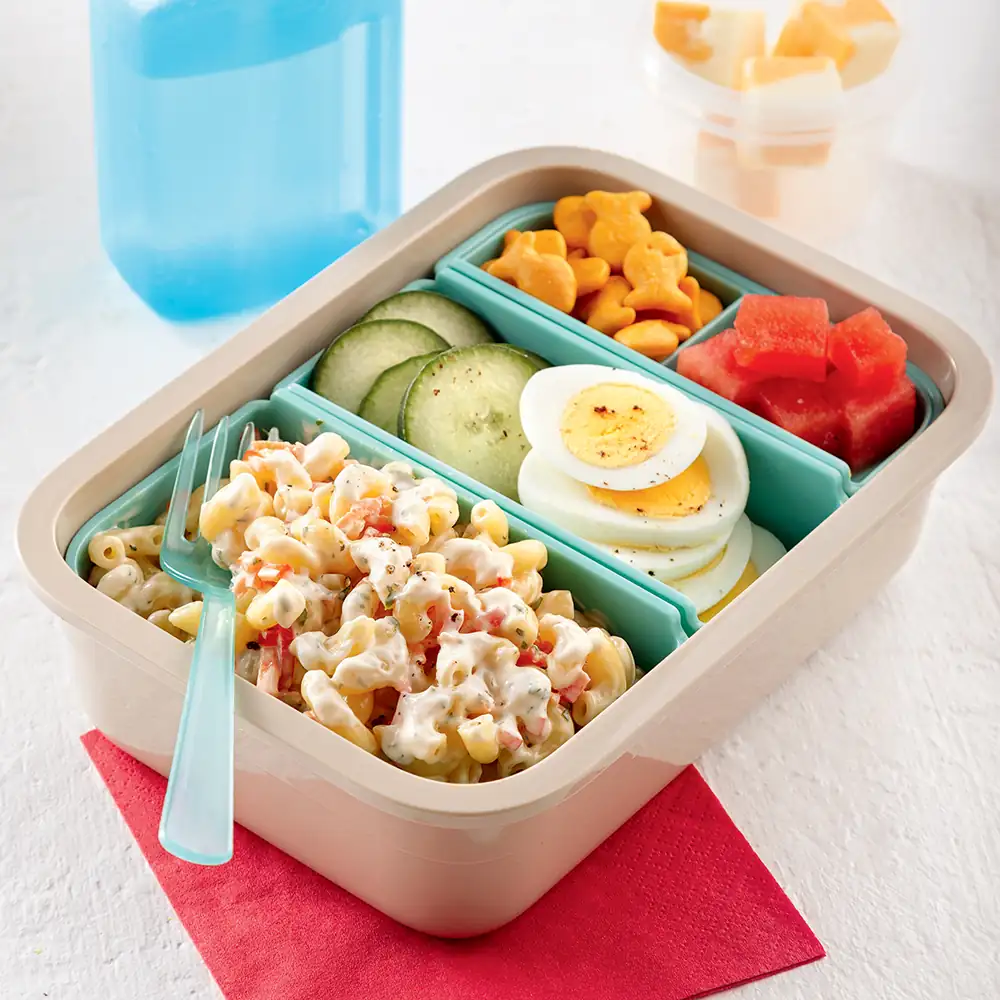
The bento box: a Japanese container with a thousand-year tradition
Originally from Japan, the bento box is distinguished by its multiple compartments that achieve a harmonious composition of food at each meal.
The history of the bento box dates back to the Heian period (794-1185), when this container was used to feed Japanese travelers and warriors. Over time, the bento evolved into an art form, with increasingly refined presentations. The modern version emerged during the Edo period (1603-1868), when the Japanese prepared visually appealing meals in lacquered wooden boxes to commemorate special occasions.
Since then, the bento box has become a practical container for carrying a complete individual meal. Thanks to its multiple compartments, it's easy to transport outdoors and allows you to enjoy a balanced meal with a variety of nutritious foods. Its compartments are also useful for portion control and consuming the right amount of each item.
To prepare a balanced bento box, the following proportions are recommended: 40% starches, 30% proteins, 20% vegetables, and 10% fruit or other sweet treat. Starches can include rice, rice noodles, soba or udon noodles, potatoes, couscous, or quinoa. Proteins include grilled chicken, smoked salmon, canned tuna, hard-boiled eggs, marinated tofu, tempeh, beans, chickpeas, or cheese. Vegetables can include cucumber, carrot, bell pepper, celery, radish, lettuce, broccoli, cauliflower, cherry tomatoes, or any other varieties you wish to include.
When choosing a bento box, it's important to consider gender and age. For a woman between 18 and 60 years old, a 700ml size is recommended; a man of the same age should opt for a 900ml container. Ideally, choose a lunchbox made of a durable and easy-to-clean material for everyday use. BPA-free models made of stainless steel or glass are preferable, and it should be leakproof to prevent spills.